Understanding Order Matching Systems in Virtual Sports Betting on British Exchanges
Katja Krause · Jul 30, 2026
Understanding Order Matching Systems in Virtual Sports Betting on British Exchanges
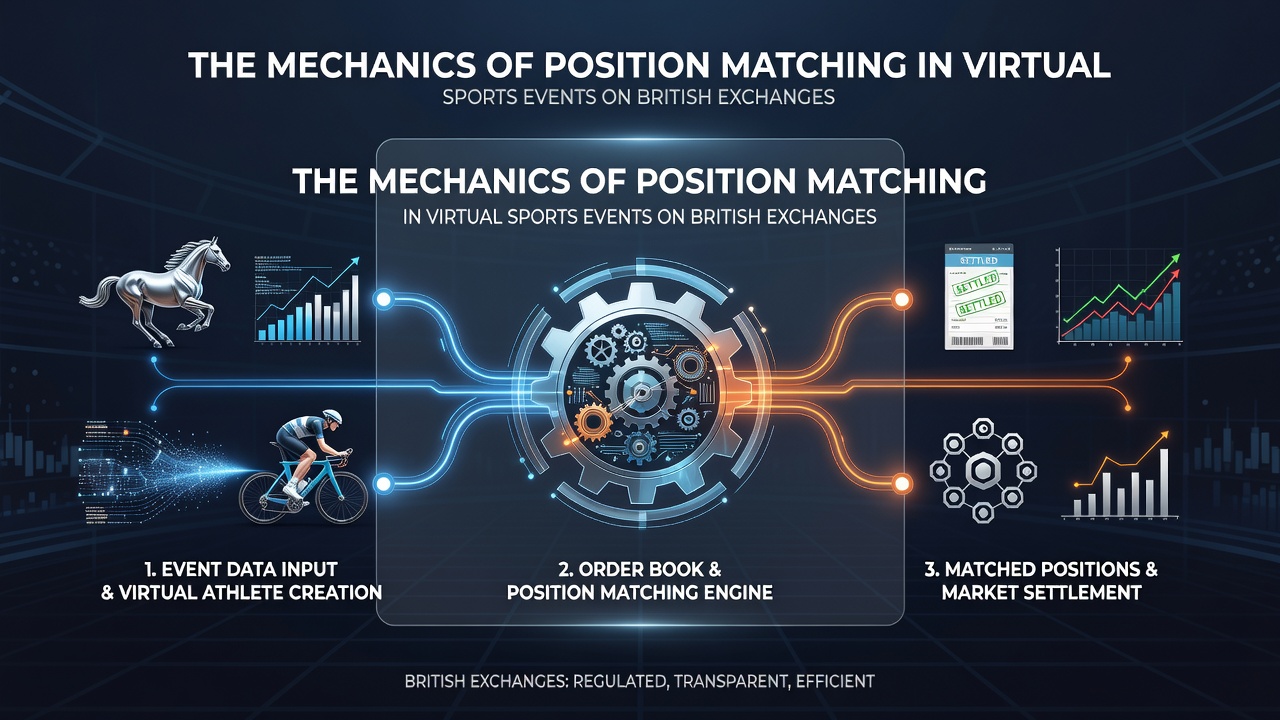
Virtual sports events operate on continuous cycles where simulated matches unfold according to algorithms that generate outcomes in real time, and British exchanges facilitate position matching by pairing back and lay orders from participants who take opposing sides on those outcomes. These platforms process thousands of requests per minute as users adjust stakes across markets that cover everything from match winners to specific in-game events like corners or goals.
Core Components of the Matching Engine
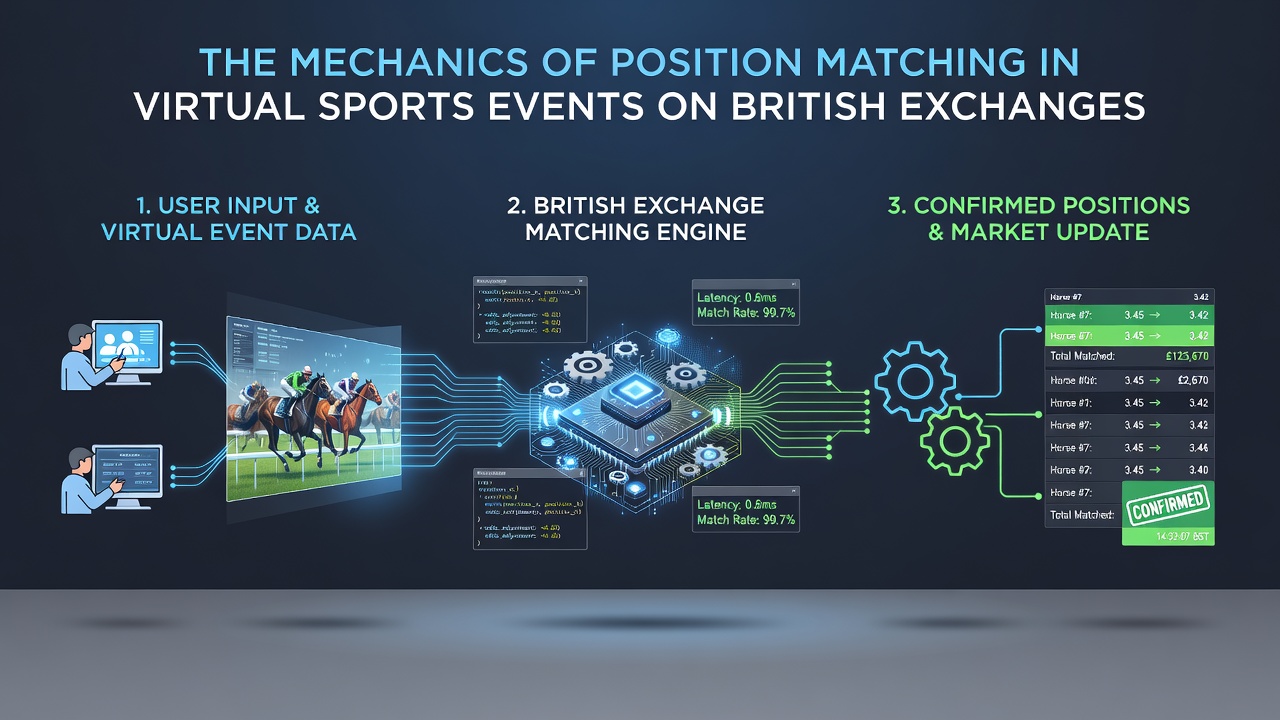
Exchanges rely on central limit order books that record every unmatched back and lay instruction along with its price and volume, then algorithms scan these books continuously to identify when a back order at a given decimal meets a lay order at the same or better level. Once a match occurs the system locks in the position for both parties and updates their exposure instantly, which allows traders to close or adjust holdings without waiting for event settlement. In July 2026 exchange operators reported handling peak loads during virtual football tournaments that exceeded previous yearly averages by substantial margins, demonstrating the scalability of these engines under sustained demand.
Handling Liquidity and Position Tracking
Participants often maintain multiple open positions across related markets, so the matching system must recalculate net exposure after every trade to prevent over-commitment while still permitting rapid order entry. When a new lay order arrives the engine checks existing back positions first for partial or full offsets, then places any remainder into the order book where it waits for the next compatible back. Observers note that this layered approach reduces unmatched volume and keeps prices tighter even during periods of lower overall activity, and data from industry reports indicate average match rates above 85 percent for popular virtual horse racing products.
Integration with Simulated Event Timelines
Virtual events progress on fixed schedules that repeat every few minutes, giving the matching engine predictable windows in which to finalise positions before each simulated segment concludes. Traders therefore time their entries around these cycles, and the system suspends new matching activity once an outcome becomes determined within the simulation. This suspension prevents late orders from affecting settled results while still allowing existing matched positions to resolve according to the published payout rules. Research published by the European Gaming and Betting Association highlights how such timing controls contribute to market integrity across multiple jurisdictions that license similar products.
Risk Controls Embedded in Matching Logic
Automated safeguards scan every incoming order against a user's available funds and current net position before acceptance, rejecting those that would breach predefined limits. The engine also applies dynamic price banding that widens or narrows acceptable match ranges based on recent volatility within each virtual market, which helps maintain orderly trading even when simulated results produce unexpected swings. These measures operate without manual intervention, allowing the platform to sustain continuous matching throughout the day.
Settlement and Position Closure Processes
Once a virtual event segment ends the exchange marks all matched positions as settled and credits or debits user accounts according to the outcome generated by the simulation provider. Any unmatched orders simply expire or carry forward if the market structure permits, though most virtual products close all open orders at the conclusion of each cycle. This rapid settlement loop supports high-frequency trading strategies that rely on repeated entry and exit within short timeframes, and figures released by the Nevada Gaming Control Board show comparable virtual product volumes growing steadily in markets that permit exchange-style matching.
Conclusion
Position matching in virtual sports on British exchanges combines real-time order book management, automated risk checks and timed settlement rules to create functional marketplaces that operate independently of traditional sporting calendars. The processes described above rely on precise algorithmic coordination that handles high volumes while preserving transparency for all participants, and ongoing technical refinements continue to shape how these systems accommodate increasing user activity.