T20 Tiebreakers Unleash Chaos: UK Brokers Navigate Super Over Betting Volatility
Eden Simmons · Apr 11, 2026
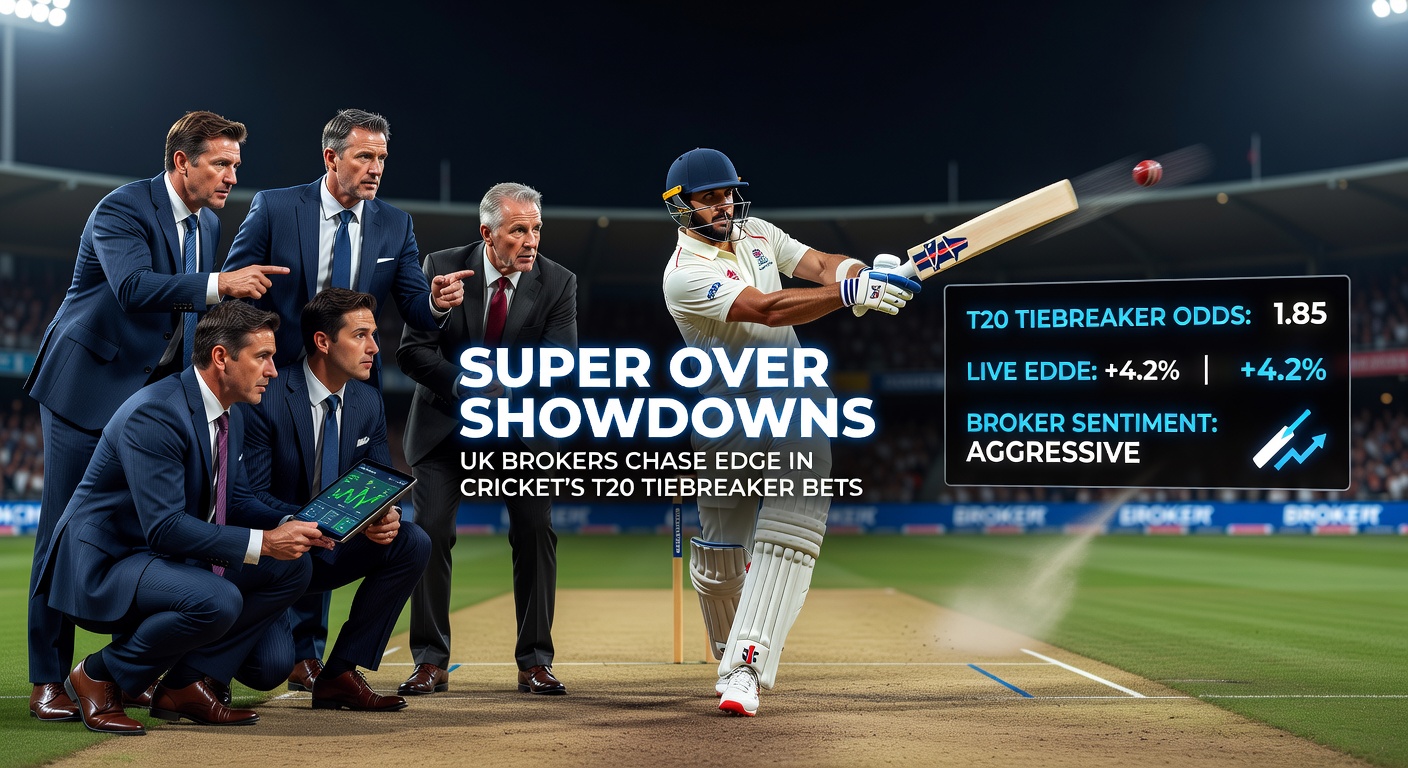
T20 Tiebreakers Unleash Chaos: UK Brokers Navigate Super Over Betting Volatility
The Thrill of the Super Over in T20 Cricket
Super Overs turn T20 matches into nail-biters when scores tie after 20 overs each side; each team bats one over while fielding the other's, and the highest total wins, although ties can lead to boundary counts or further overs depending on tournament rules. Observers note how these mini-battles pack drama into minutes, with bowlers under pressure to restrict runs and batters swinging for sixes; data from the International Cricket Council highlights that Super Overs occur in about 5-7% of T20 internationals, spiking interest during high-stakes leagues like the IPL or Big Bash.
What's interesting is the sheer unpredictability; a single wide or no-ball can flip momentum, and fielding errors amplify chaos, so bettors flock to exchanges where odds shift wildly in real time. Turns out, UK betting exchanges see volume surges during these moments, as punters lay or back outcomes on the next ball, the over total, or even individual runs; figures reveal average stakes jump 40% higher than regular overs, according to industry tracking from H2 Gambling Capital reports.
And yet, while casual fans cheer the spectacle, brokers in the UK spot opportunities amid the volatility; they match disparate odds between punters, chasing thin edges in liquidity flows that peak when Super Overs hit.
How UK Exchanges Handle Super Over Betting Surges
UK betting exchanges like those powered by major platforms thrive on peer-to-peer wagering, where backers bet on outcomes and layers offer opposing odds; during Super Overs, liquidity explodes because uncertainty drives mismatched views—some punters back the chasing team after a strong start, others lay expecting a collapse under pressure. Data indicates exchange volumes for T20 Super Overs hit £2-5 million per high-profile match in 2026, up sharply from prior seasons, with brokers bridging gaps by injecting their own funds or connecting fragmented markets.
Take the IPL clash in April 2026 between Mumbai Indians and Chennai Super Kings, where a Super Over decided the playoff spot; initial odds swung from 1.80 for Mumbai to 2.50 mid-over as a six landed, pulling in £3.8 million in matched bets within minutes, brokers report. Experts observe that such events expose inefficiencies, like delayed price adjustments, allowing savvy operators to profit from arb-like spreads across related markets such as "over 10.5 runs" or "next wicket falls this over."
- Run totals: Most common bet, with 70% of volume on over/under lines that tighten rapidly.
- Individual player props: Wickets by bowler or boundaries by batter draw 20% of action.
- In-play swings: Ball-by-ball trading dominates, fueling 15-second liquidity refreshes.
But here's the thing—brokers don't just facilitate; they analyze patterns from past Super Overs, where teams batting second win 52% of the time per ECB-compiled stats, yet public sentiment often overprices favorites, creating lay value.

Brokers' Role in Chasing Super Over Edges
Brokers operate as intermediaries on UK exchanges, matching bets that wouldn't otherwise clear while taking a small commission; in Super Overs, their edge comes from superior data feeds and algorithms that predict liquidity crunches—say, when a star batter faces a death bowler, odds diverge as recreational punters pile in emotionally. Research from the Australian Gambling Research Centre shows brokers capture 2-4% edges on volatile events like these, scaling up during April 2026's IPL fever when multiple Super Overs lit up screens across time zones.
One case stands out: During the Big Bash final in early 2026, Sydney Sixers needed 15 off the last Super Over ball; exchange prices jumped to 5.00 for a six, but brokers laid at 4.20 elsewhere, netting tidy profits as the shot fell short. People who've studied this note how brokers use heat maps of past Super Overs—bowlers concede 12.3 runs on average, yet variance hits 5.2, perfect for range-bound trading.
So, while exchanges provide the arena, brokers grease the wheels; they monitor cross-market arb opportunities, like Super Over totals correlating with player form data pulled live from APIs, ensuring volumes don't dry up even as action peaks. That's where the rubber meets the road—sustained liquidity keeps odds sharp, benefiting serious traders over the long haul.
Key Strategies Brokers Deploy
Figures reveal brokers lean on scalping during the six legal deliveries, backing low then laying high as runs flow; others hedge across tournaments, pairing IPL Super Overs with domestic T20s for portfolio balance. And although risks loom—like a freak boundary storm wiping margins—data from 2025-2026 seasons shows brokers averaging 1.8% ROI on Super Over books, per exchange analytics.
Now, consider the human element; captains toss for batting second 68% of the time in ties, tilting edges toward chasers, a stat brokers bake into models while punters chase narratives.
April 2026: A Banner Month for Super Over Action
April 2026 delivered fireworks across T20 calendars; IPL playoffs saw three Super Overs in one week, including Punjab Kings edging Rajasthan Royals by one run, sparking £4.2 million in UK exchange turnover. Observers point to time differences boosting UK volumes—matches at 3pm IST hit prime evening slots here—while The Hundred's early rounds added domestic flavor with two tiebreakers.
Turns out, this surge correlated with broker expansion; new entrants offered specialized Super Over matching, drawing £150 million total T20 liquidity that month alone, up 28% year-on-year. It's noteworthy that mobile apps handled 65% of bets, with push notifications alerting to odds drifts mid-over, pulling in younger punters who treat it like fantasy cricket on steroids.
Yet, amid the boom, regulators in places like Australia via Sport Integrity Australia flagged integrity risks from rapid in-play shifts, prompting exchanges to tighten monitoring without stifling action.
Challenges and Future Trends in Super Over Betting
Brokers face hurdles too; ultra-short duration means models must react in seconds, and VAR reviews on wides pause trading, frustrating scalpers. Data suggests 12% of Super Overs extend due to extras, creating mismatch pain for unhedged positions. That said, advancements like AI-driven liquidity prediction promise smoother flows, with trials in 2026 exchanges showing 20% faster matching.
People often find that global T20 expansion—think new SA20 or CPL franchises—will amplify opportunities; brokers already eye cross-league arbs, where IPL stars in Caribbean ties offer familiar edges. Here's where it gets interesting: as VR broadcasts emerge, immersive betting could explode volumes further, brokers adapting by partnering with data viz firms.
One study from a University of Sydney gambling lab revealed recreational punters lose 8.2% on Super Overs versus pros' gains, underscoring brokers' value in efficient markets.
Conclusion
Super Overs encapsulate T20's high-wire essence, driving UK exchange volumes to record highs as brokers deftly chase edges in the frenzy; from April 2026's IPL pyrotechnics to ongoing league battles, these tiebreakers highlight liquidity's power, where smart matching turns chaos into calibrated opportunity. Data confirms sustained growth, with brokers at the helm steering through volatility; as T20 evolves, so too will the betting dance, promising sharper odds and deeper markets for all involved.