Specialized Representatives Facilitating Entry to Evolving Global Sports Competition Markets
Morgan Wagner · Aug 15, 2026

Specialized Representatives Facilitating Entry to Evolving Global Sports Competition Markets
Specialized agents have taken on expanded functions in connecting participants, organizers, and market platforms across international athletic competitions, and data from multiple regions shows steady growth in their involvement since the mid-2020s. These professionals operate by matching competitors with liquidity sources and regulatory-compliant channels, while events scheduled for August 2026, including preparatory tournaments ahead of larger global cycles, have highlighted increased reliance on such intermediaries.
Market Structures in International Athletics
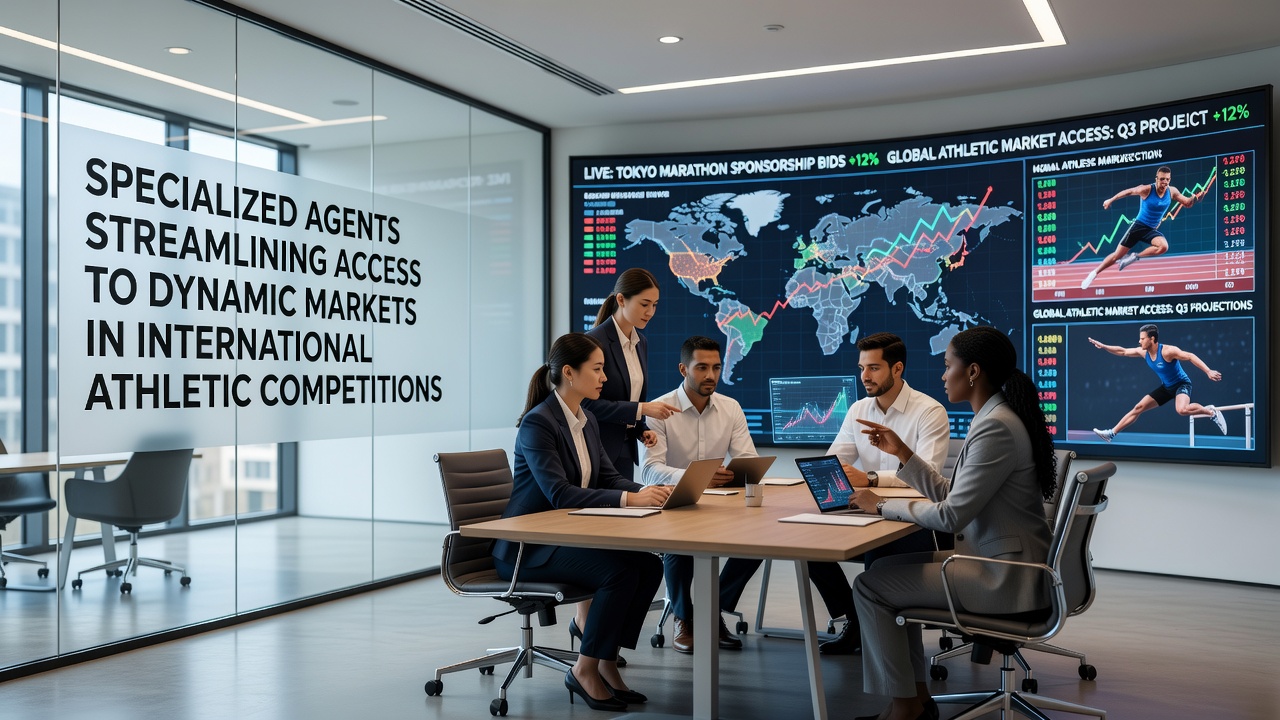
International athletic competitions feature rapidly shifting odds and participation opportunities that respond to factors such as athlete form, venue conditions, and cross-border regulatory updates. Observers note that agents compile real-time feeds from various exchanges and platforms to present unified access points, and studies from research institutions in Europe and North America indicate that these streamlined pathways reduce entry barriers for smaller federations and independent competitors alike.
Figures from industry reports reveal that transaction volumes in these dynamic settings rose notably during 2025, driven by multi-sport gatherings where agents coordinated back-and-forth matching between parties. Agents maintain networks that span different jurisdictions, allowing them to align local rules with broader event calendars without direct ownership of any single platform.
Operational Methods Employed by Agents
Agents begin by assessing competition calendars and identifying liquidity pools that align with specific athletic disciplines, then they negotiate terms that satisfy both regulatory requirements and market demands. Research indicates that this process often incorporates automated tools for price discovery, combined with manual oversight to handle exceptions arising from sudden rule changes or venue shifts.
One documented approach involves agents securing preliminary agreements months in advance, which later convert into live positions as events unfold. Data compiled by academic groups in Australia and Canada shows that such pre-arrangements have contributed to more stable participation rates during periods of high volatility, particularly when multiple time zones and currency fluctuations come into play.
Examples from Recent Global Events
During preparations for continental championships in early 2026, agents facilitated matching services that linked regional athletic bodies with established market makers, resulting in documented increases in cross-border activity. Those who've tracked these patterns report that agents handled documentation for compliance with varying national frameworks, allowing events to proceed on schedule despite shifting sponsorship landscapes.
Take the case of multi-nation track and field series where agents coordinated access to secondary markets, and records from organizing committees indicate that participant numbers held steady even as primary funding sources adjusted. This coordination extended to August 2026 qualifiers, where timing overlaps with other major calendars created additional layers of complexity that agents addressed through segmented routing protocols.
Regulatory and Compliance Frameworks
Government bodies in several jurisdictions have updated guidelines that directly affect how agents operate, and reports from the Canadian regulatory environment highlight requirements for transparency in fee structures and data handling. Similar updates appear in European Union directives that emphasize audit trails for transactions crossing member state boundaries.
Agents therefore incorporate compliance modules into their workflows, drawing on external verification services to confirm eligibility before finalizing any market connections. Evidence from trade association summaries suggests these steps have helped maintain continuity in international scheduling, even when individual countries introduce new reporting thresholds.
Conclusion
Specialized agents continue to adapt their practices in response to evolving competition schedules and market conditions across international athletics, supported by data from diverse regulatory and research sources. Their activities center on matching participants with appropriate channels while adhering to jurisdiction-specific rules, and records from 2025 through mid-2026 demonstrate sustained integration of these services into broader event ecosystems.