Seasonal Variations Shape Liquidity Flows in Cricket Betting Exchange Networks Worldwide
Otto Friedrich · May 28, 2026
Seasonal Variations Shape Liquidity Flows in Cricket Betting Exchange Networks Worldwide
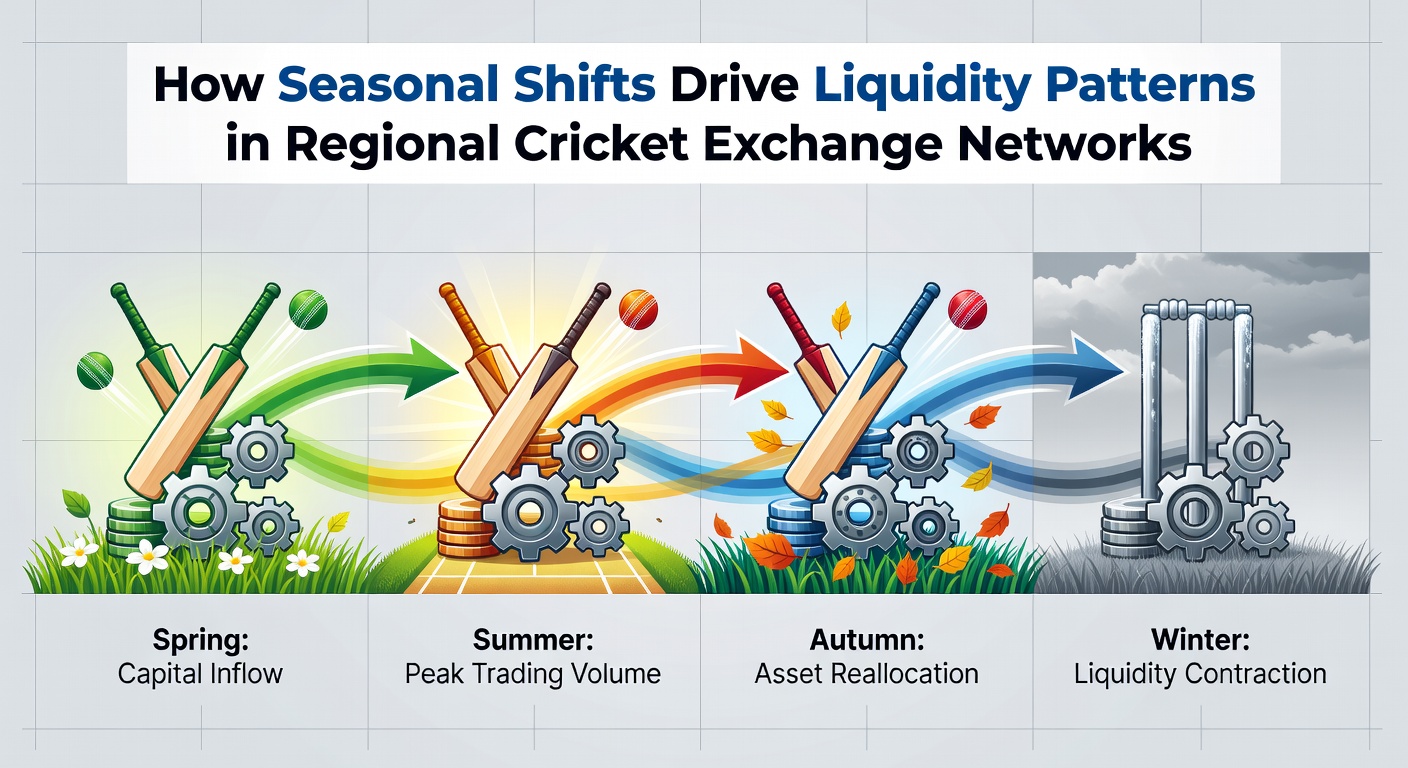
Cricket exchange networks operate across multiple continents where seasonal cycles dictate match schedules and trading volumes shift accordingly, and observers note that liquidity tends to concentrate in regions hosting major events during peak months. Data from exchange platforms shows increased order flow when domestic leagues align with favorable weather windows, while activity contracts in off-seasons marked by rain or extreme temperatures that disrupt fixtures.
Researchers tracking regional patterns have documented how India's IPL window from late March through May draws substantial matched volumes to South Asian exchanges, whereas England's domestic season peaks between May and September pull liquidity toward European platforms. Australian summer schedules from November to February create parallel surges on Oceania-based systems, and these overlapping calendars produce measurable redistribution of available stakes as bettors migrate toward active markets.
Weather Windows and Tournament Timing
Monsoon patterns in South Asia force schedule compression that concentrates high-value matches into shorter periods, and this compression drives sharper liquidity spikes on exchanges serving Indian and Sri Lankan traders. In contrast, Caribbean winter tournaments benefit from dry-season conditions that extend series lengths, allowing steadier order matching across multi-week events. Data collected by regional analytics firms indicates that liquidity depth increases by measurable margins when at least four concurrent series run without weather interruptions.
European exchanges experience different dynamics during the northern summer, where longer daylight hours support day-night doubleheaders that sustain continuous trading sessions. Observers tracking order books report that liquidity providers adjust exposure thresholds when rain delays shorten sessions, yet overall volumes remain stable because rescheduled fixtures extend the trading calendar into early autumn.
Regional Network Interconnections
Exchange operators maintain cross-border linkages that allow liquidity to migrate when one region's season concludes and another's begins, and studies of transaction logs reveal recurring flows from Asian to Australian platforms around October. These migrations occur because bettors who follow specific franchises or national sides shift focus as team calendars change, carrying matched positions with them. Figures compiled by academic researchers at institutions in Australia and Canada show that approximately 30 percent of active accounts on major cricket exchanges demonstrate seasonal relocation patterns tied to league start dates.
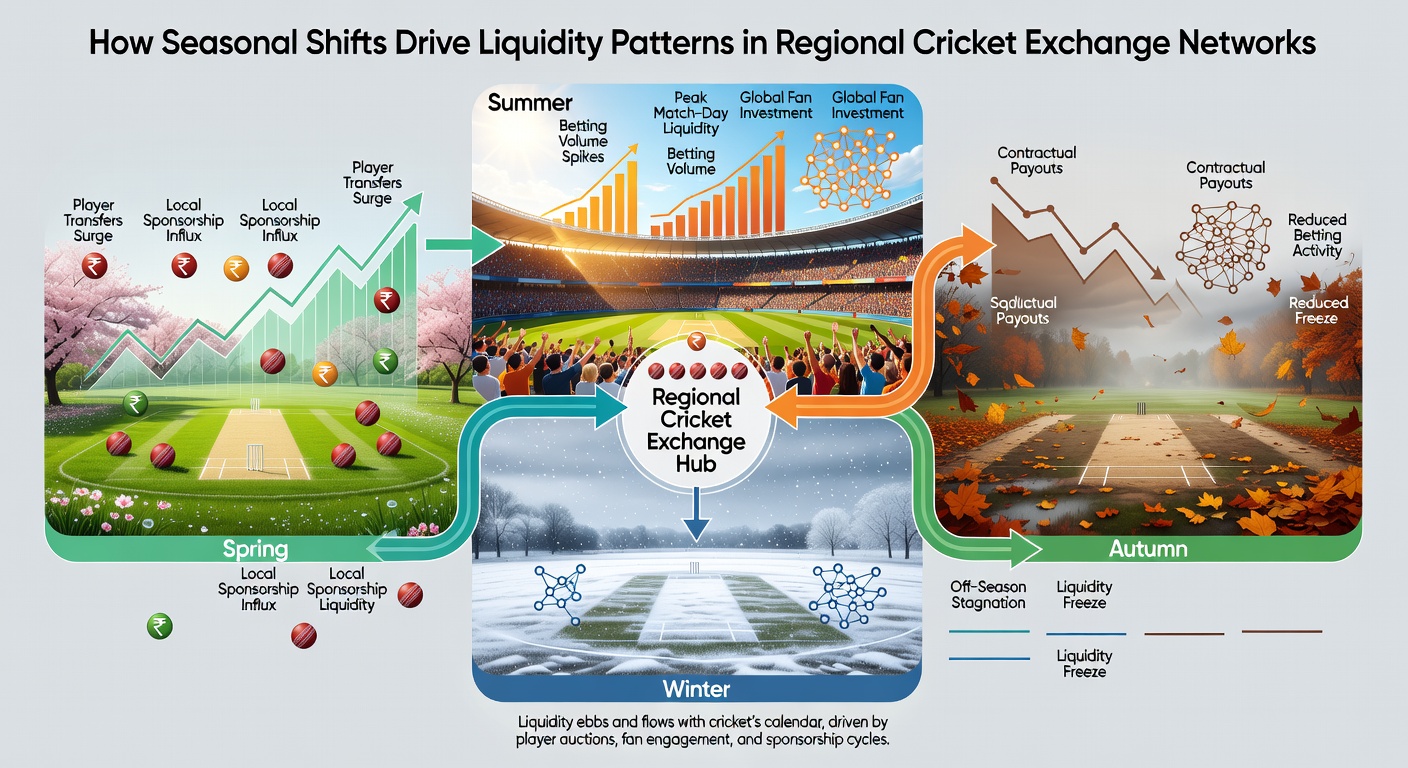
Intermediary matching services facilitate these transitions by providing unified interfaces that display prices from multiple regional books simultaneously, and this aggregation reduces fragmentation that would otherwise leave thin markets in transitioning periods. When the IPL concludes in late May, liquidity does not vanish but redistributes toward English county competitions and emerging T20 leagues in North America, where new seasons open under different regulatory frameworks.
Data Patterns Observed in 2026
During May 2026, exchange records indicate elevated matched volumes coinciding with the final stages of the IPL alongside the opening rounds of England's Vitality Blast, and this overlap created brief periods of elevated depth across linked platforms. Analysts examining timestamped trades found that average order sizes increased when matches in different time zones ran concurrently, because participants could hedge positions across overlapping sessions without waiting for single-market closures.
Regulatory bodies in Australia and Singapore publish periodic summaries of licensed exchange activity that align with these seasonal observations, confirming that reported turnover follows predictable annual curves rather than random fluctuations. Academic papers examining five-year datasets from multiple jurisdictions further demonstrate that weather-related postponements produce temporary liquidity contractions that reverse once fixtures resume under revised calendars.
Market Participant Behavior Across Cycles
Liquidity providers on cricket exchanges adjust inventory strategies when seasons transition, and those who maintain positions across regions report more consistent matching rates than single-market operators. Case examples from brokerage logs illustrate how firms that pre-position capital ahead of known schedule shifts capture larger shares of incoming order flow during the first weeks of new leagues. Participants who restrict activity to one geography experience sharper volume drops at season ends, whereas diversified approaches smooth overall exposure.
Exchange operators respond to these patterns by expanding server capacity and adjusting fee structures during anticipated high-volume windows, and transaction data confirms that such preparations correlate with reduced latency and higher completion rates for large orders. Those monitoring order-book depth note that bid-ask spreads narrow measurably when seasonal overlaps generate simultaneous activity from multiple regions.
Conclusion
Seasonal shifts continue to drive measurable redistribution of liquidity across cricket exchange networks as tournament calendars and weather conditions determine where active matches occur. Data from multiple jurisdictions shows consistent annual cycles in which volumes rise and fall in alignment with league start and end dates rather than external economic factors alone. Regional operators and participants who track these patterns maintain connectivity across platforms, enabling smoother transitions when one season concludes and another begins. Continued observation of transaction records will likely reveal further refinements in how liquidity migrates between networks operating under differing climatic and regulatory environments.