Peer Matching Systems Transform Wager Dynamics in Online Contest Platforms
Katja Krause · Sep 10, 2026
Peer Matching Systems Transform Wager Dynamics in Online Contest Platforms
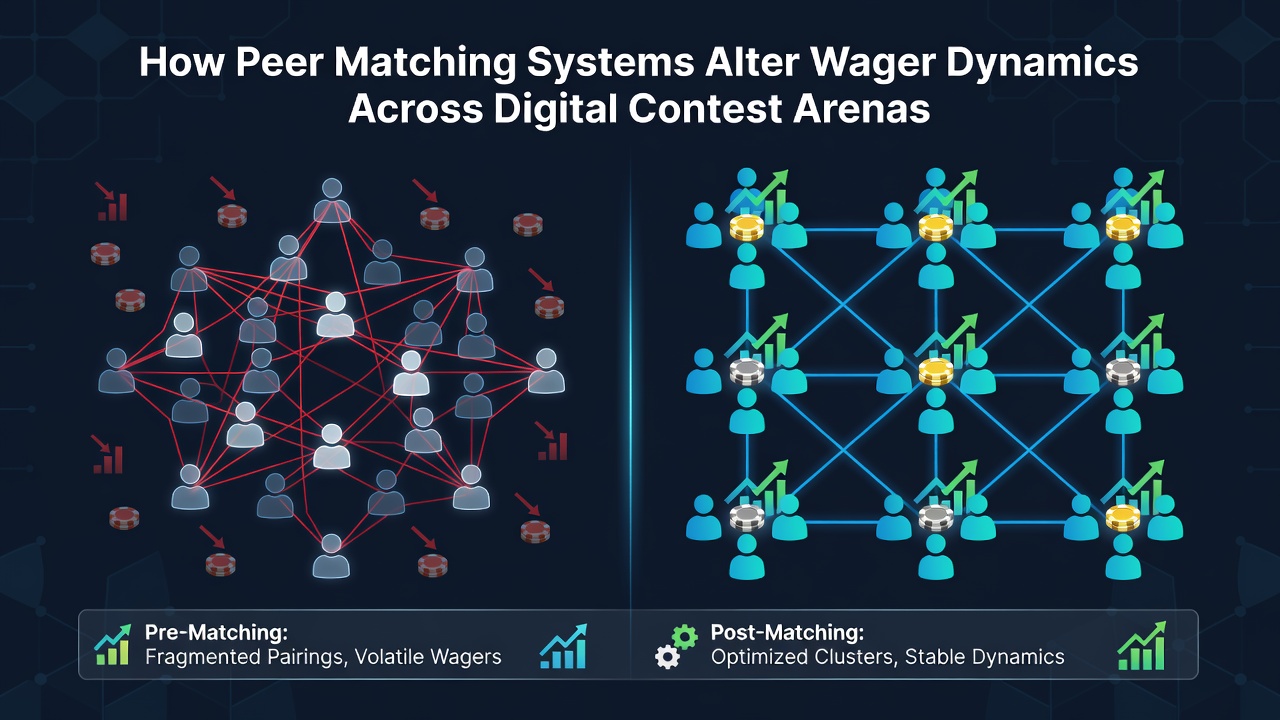
Peer matching systems connect participants directly in digital contest arenas where wagers form through automated pairing rather than fixed house odds, and this setup shifts how liquidity builds along with risk distribution. Platforms using these systems allow users to propose or accept opposing positions on outcomes in esports tournaments, prediction markets, and virtual competitions, while algorithms handle the pairing based on price and volume preferences. Data from the American Gaming Association shows that such mechanisms accounted for over 28 percent of digital contest activity by mid-2026, up from 19 percent two years earlier, because direct matching reduces the spread that traditional operators once maintained.
Core Mechanics Behind Peer Pairing
Algorithms scan available offers in real time, match compatible bids and asks, and settle positions automatically once events conclude, which eliminates the need for a central bookmaker to hold the opposite side of every wager. Observers note that this process creates variable odds that fluctuate with incoming supply and demand, whereas conventional bookmakers adjust lines manually or through slower systems. In September 2026, reports from the Nevada Gaming Control Board indicated that platforms relying on peer matching processed an average of 4.2 million matched positions daily across contest categories, compared with 3.1 million in the same month of 2025. Those figures reflect faster execution because matching occurs without intermediary approval layers.
Liquidity Patterns and Volume Shifts
Direct pairing concentrates liquidity around popular events where many participants post offers simultaneously, and this concentration produces tighter price bands during peak periods. Studies from the University of Sydney's Gambling Research Unit found that matched volumes in digital arenas rose 34 percent year-over-year when peer systems handled at least 40 percent of total activity. Meanwhile thinner markets experience wider spreads until enough opposing positions appear, which can delay matching or leave some offers unmatched. Researchers observed that participants often adjust their posted prices incrementally to attract counterparts, generating a continuous feedback loop visible in live order books.
Impact on Risk Allocation and Settlement
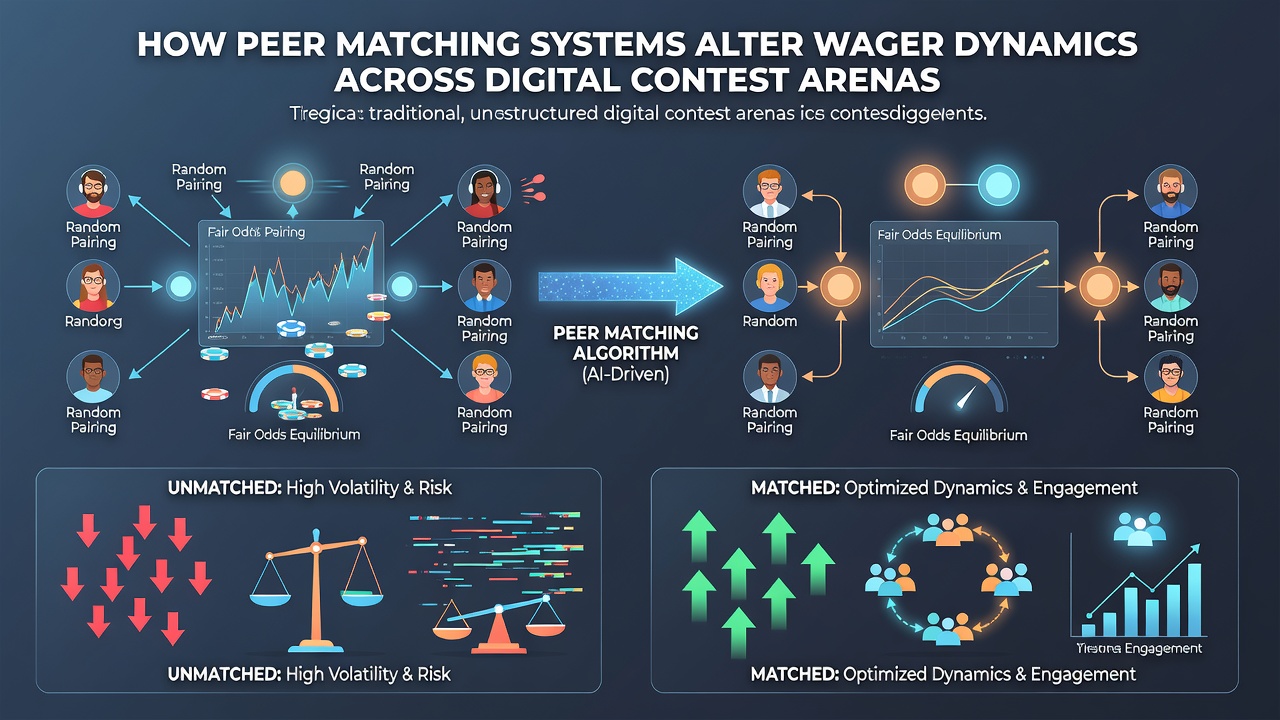
Risk moves between individual users instead of concentrating with a single operator, and this redistribution changes how large positions influence overall market behavior. When one side posts a substantial offer, matching algorithms distribute portions across multiple counterparties, which limits single-point exposure but requires transparent settlement protocols. Figures released by the Australian Communications and Media Authority in September 2026 recorded a 22 percent drop in operator-held reserves for peer-matched segments compared with traditional contest formats, because funds transfer only after events resolve. Automated dispute resolution handles most discrepancies through predefined rules, reducing manual intervention.
Behavioral Adjustments Among Participants
Users adapt by monitoring order flow more closely and timing their entries to coincide with liquidity surges, which produces different patterns than those seen in fixed-odds environments. Research published by the Canadian Centre on Substance Use and Addiction indicates that participants in peer-matched arenas place 1.7 times more limit orders than market orders, reflecting a preference for controlling execution prices. This tendency emerges because unmatched offers remain visible and can be revised, giving individuals greater agency over final terms. Data also shows increased activity during off-peak hours when fewer competitors compete for matches, although overall volume stays lower than during major events.
Regulatory and Platform Responses
Authorities in multiple jurisdictions track these systems for transparency and fairness, requiring disclosure of matching rules and fee structures. The European Gaming and Betting Association compiled compliance data in 2026 showing that 67 percent of licensed digital contest operators now integrate third-party audit logs for peer transactions to meet updated standards. Platforms respond by adding features such as partial matching and conditional orders that allow users to specify fallback prices if initial pairings fail. These additions maintain engagement while addressing concerns about unmatched positions accumulating during volatile periods.
Conclusion
Peer matching systems continue to reshape wager dynamics by replacing centralized pricing with user-driven pairing across digital contest arenas, and available statistics confirm measurable changes in volume distribution, settlement speed, and participant behavior through 2026. Ongoing data collection from regulatory bodies and research institutions will clarify long-term effects on market stability and user outcomes as these mechanisms expand into additional contest formats.