Navigating Bet Orders Across Fragmented Wagering Systems
Alex Werner · Jun 20, 2026
Navigating Bet Orders Across Fragmented Wagering Systems
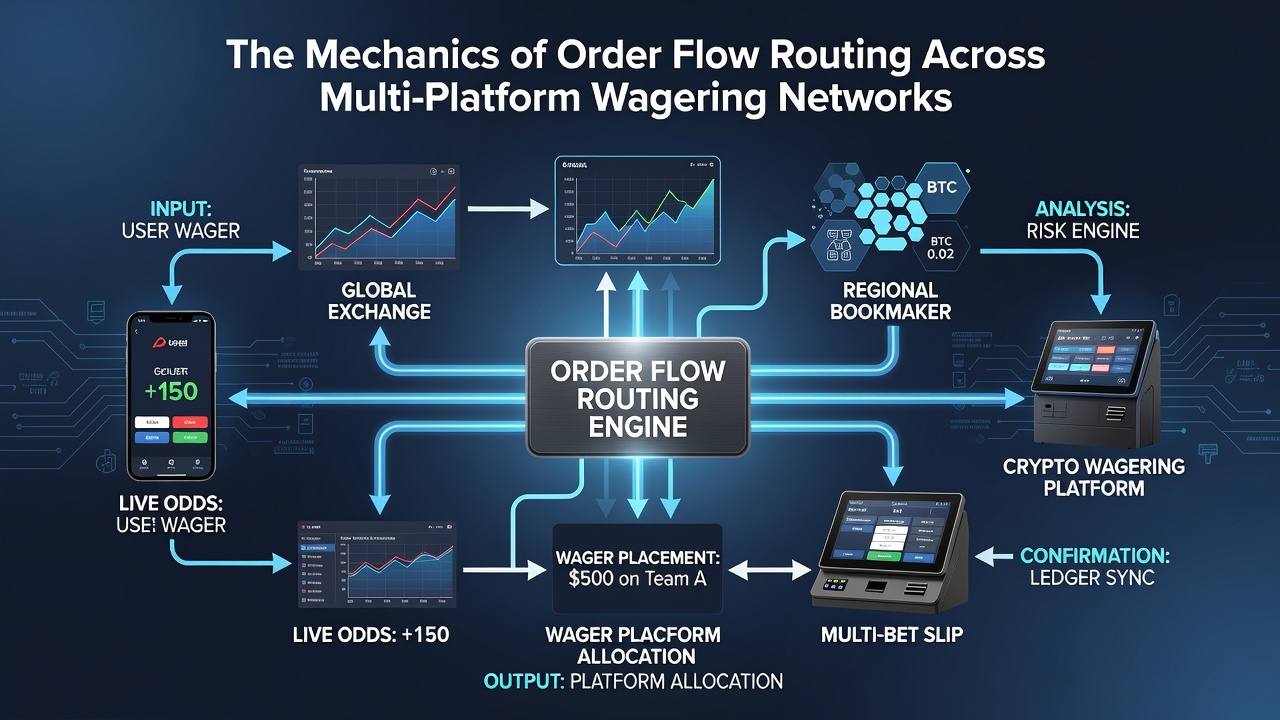
Order flow in multi-platform wagering networks begins when a participant submits a bet request through an interface connected to several exchanges or books at once, and the system evaluates available liquidity across those venues before directing the order to the optimal destination. Routing engines pull real-time data on prices, volumes, and settlement rules from each platform while applying latency measurements and fee schedules to decide where execution occurs fastest with minimal slippage.
Core Components of Order Transmission
Central to these networks sit application programming interfaces that standardize how orders move between systems, allowing a single request to query multiple venues simultaneously while preserving details such as stake size, odds threshold, and expiration time. Middleware layers then aggregate responses, cancel unmatched portions on slower platforms, and consolidate fills into one position for the user, which reduces the need for manual intervention across accounts.
Smart routing algorithms factor in historical fill rates and current order book depth, routing larger stakes toward deeper liquidity pools first and splitting smaller ones across several shallow books when spreads tighten. These decisions update continuously because platform conditions shift with incoming bets, regulatory pauses, or technical outages reported in June 2026 across several North American and Asian networks.
Latency Management and Path Selection
Physical distance between data centers influences routing choices, so engines often select co-located servers or direct fiber links that cut round-trip times below ten milliseconds on major corridors. When two platforms offer identical odds, the algorithm weighs settlement speed and margin requirements, sending the order down the path that clears regulatory checks quickest without triggering additional compliance holds.
Backup routes activate automatically if primary connections drop, rerouting pending orders through secondary gateways while logging the switch for audit trails required by oversight bodies such as the International Association of Gaming Regulators. Observers note that these failover mechanisms have become more sophisticated since early 2025 upgrades introduced predictive congestion modeling based on traffic patterns observed during peak tournament windows.
Matching Logic Across Venues
Once an order reaches its destination platform, matching engines pair buy and sell interests according to price-time priority rules, yet cross-venue routing adds another layer where partial fills on one exchange trigger immediate follow-up orders on others to complete the original request. Data from academic studies published by the University of Nevada, Las Vegas Center for Gaming Research shows that such sequential matching reduces average execution variance by 18 percent compared with single-venue submissions.
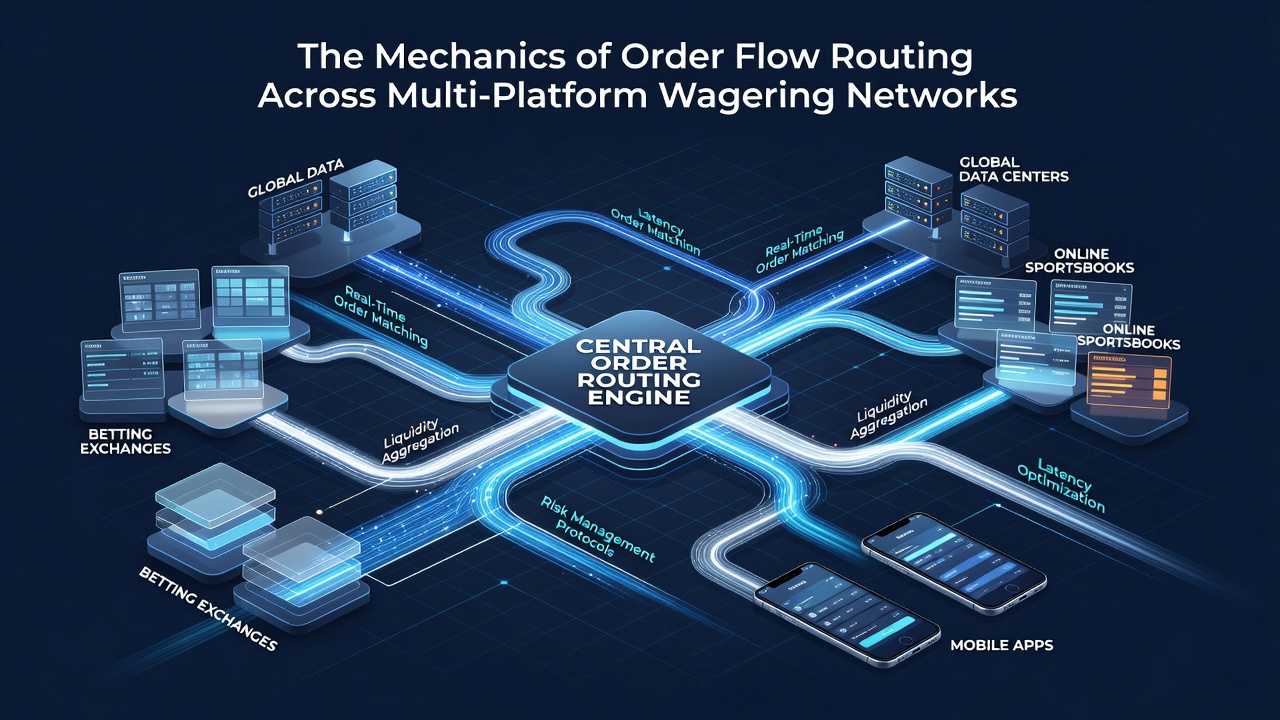
Reconciliation services then net positions so the user sees one unified outcome rather than multiple line items, while margin calculations adjust in real time to reflect exposure across all involved platforms. Regulatory filings indicate that European operators began testing unified margin protocols in late 2025, and similar frameworks reached several Australian state markets by spring 2026.
Risk Controls Embedded in Routing
Every hop through the network carries automated checks against exposure limits, velocity thresholds, and suspicious pattern flags that pause or divert orders before they reach execution. These controls operate at both the aggregator level and on each receiving platform, creating layered safeguards that prevent runaway positions while still allowing high-frequency strategies to function within defined parameters.
Payment rails and currency conversion modules integrate directly into the routing stack so that stake amounts convert automatically when crossing borders, and settlement instructions follow the same path back to the originating account once results finalize. Industry reports from the Canadian Gaming Association highlight that cross-border routing volumes grew 27 percent year-over-year through the first half of 2026, driven largely by increased participation in multi-jurisdiction tournament pools.
Conclusion
Order flow routing across multi-platform wagering networks relies on synchronized data feeds, algorithmic path selection, and layered compliance checks that together determine where and how each bet executes. Continued refinement of these mechanics supports faster matching and broader access while meeting the distinct operational standards set by regulators in different regions. As network architectures evolve, the emphasis remains on maintaining transparent audit trails and reliable failover systems that keep participant orders moving efficiently through increasingly interconnected environments.