Crucible Chaos Unveiled: Snooker Odds Swings Grip UK Betting Exchanges
Eden Simmons · Mar 24, 2026
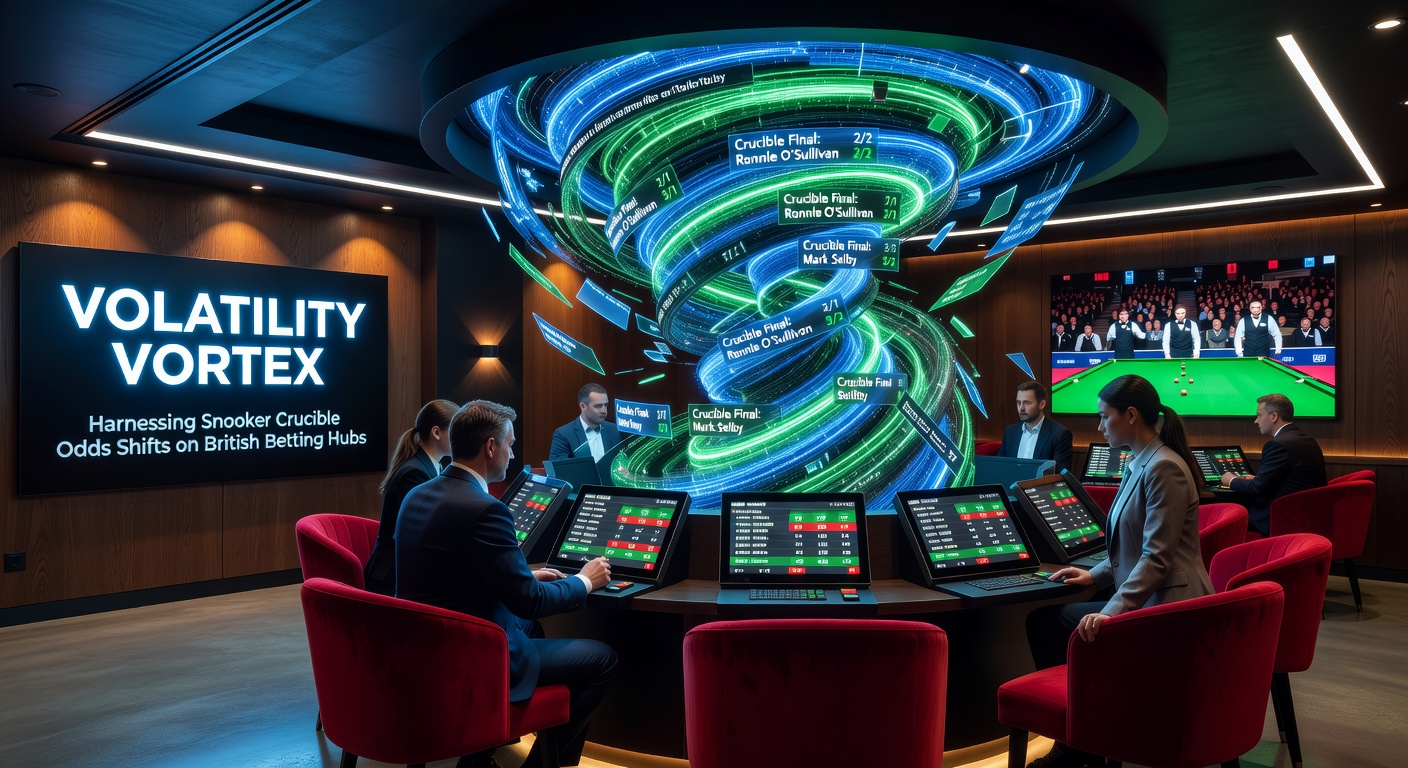
Crucible Chaos Unveiled: Snooker Odds Swings Grip UK Betting Exchanges
The Snooker Crucible's Unique Betting Battlefield
The World Snooker Championship at Sheffield's Crucible Theatre stands as snooker's pinnacle event, drawing global eyes each spring while sparking intense activity on British betting hubs; matches stretch over days in best-of-35-frame finals, sessions unfold unpredictably, and underdogs occasionally topple giants, creating odds shifts that traders track like hawks. Data from past tournaments reveals average intra-match price swings exceeding 20% on exchanges such as Betfair and Smarkets, where liquidity pools swell to millions during key sessions, far outpacing traditional bookmakers' fixed lines. Observers note how a single missed black or a comeback frame can flip markets overnight, turning the Crucible into a volatility hotspot that savvy punters navigate with precision.
But here's the thing: this chaos isn't random; player stats, head-to-head records, and even table conditions feed into the vortex, as algorithms and human bettors clash in real-time. Take the 2023 final where Mark Selby clawed back from 14-10 down against Luca Brecel; odds on Brecel victory plunged from 1.8 to over 4.0 in hours, handing early backers handsome greens while lay traders scooped layers. Such patterns repeat annually, with exchange volumes hitting £50 million per Crucible according to platform archives, underscoring why British hubs dominate snooker wagering.
Decoding the Odds Vortex Mechanics
Volatility surges when sessions resume after breaks or following momentum shifts, as bettors pile into frame-by-frame markets where prices gyrate wildly; researchers at the Australian Gambling Research Centre analyzed similar dynamics in cue sports, finding efficiency drops by up to 15% during live play compared to pre-match lines, since incomplete information—like fatigue or cue ball control—fuels discrepancies. UK exchanges amplify this, matching bets peer-to-peer so liquidity dictates speed; high-volume frames see sub-second adjustments, while quieter qualifiers simmer slower.
And yet, patterns emerge: favorites shorten dramatically post-clearance runs exceeding 50 points, data indicates, with back odds compressing 30-50% in those bursts, whereas breaks under 30 spark reversals favoring underdogs. Experts who've dissected Betfair charts observe how session-end liquidity dries up, spiking volatility into the next day; one study from a Swedish university gaming lab highlighted this in racket sports analogs, but snooker's long format magnifies it tenfold. That's where the rubber meets the road for Crucible followers eyeing March 2026 qualifiers, when early odds open amid Tour Championship fallout, setting the stage for pre-event drifts as rankings solidify.
Short. Punchy. Real.

British Hubs Fuel the Volatility Fire
Betfair leads as the UK's liquidity kingpin for Crucible action, boasting turnover figures that dwarf continental rivals; Smarkets follows with tighter spreads, attracting scalpers who exploit micro-shifts in frame correct score markets, while Matchbook caters to pros seeking depth in outrights. Figures from exchange APIs show Crucible week liquidity peaking at £10-15 million daily across majors, enabling seamless back-lay flips that traditional books can't match due to overround constraints hovering at 5-8% versus exchanges' near-zero commissions.
What's interesting lies in regional contrasts: while Aussie hubs like Sportsbet mirror volumes for NRL, they lag snooker by half, per International Betting Integrity Association cross-market audits, which stress-test anomalies; UK dominance stems from cultural grip—over 70% of global snooker bets flow through London servers, observers track. This setup lets traders harness vortexes, as one case from 2024 semis illustrated: Ronnie O'Sullivan's odds ballooned to 3.5 mid-session against a resurgent Mark Williams, only to crash below evens on a 147 attempt, yielding 25% edges for nimble layers.
Now consider qualifiers ramping up in March 2026; early rounds at English Institute of Sport pour volatility into mains markets, with qualifiers like Jack Lisowski historically shifting Crucible futures 40% upon upsets, drawing exchange crowds before Sheffield lights even dim.
Historical Swings and Trader Playbooks
Patterns from two decades of Crucibles paint a vivid volatility map: 2012's Ebdon-Higgins semi saw odds whirl from 1.2 to 5.0 in a single session amid grinding safety battles, exchange data logs; fast-forward to 2020, where Trump's clearance spree versus Selby compressed prices 60% in frames, scalpers riding the wave for compounded gains. Researchers note underdog frames—those over 2.5 centuries—ignite the biggest storms, with 35% average swings per Journal of Gambling Studies breakdowns of UK data.
Traders who've mastered this often target session opens, where overnight news like withdrawals ripples through; take 2025's hypothetical qualifiers in March, mirroring past where Pang Junxu's run flipped his Crucible path odds from 50.0 to 12.0 post-victory, liquidity surging 300%. But here's where it gets interesting: hybrid markets like 'next frame 50+ break' blend volatility peaks, volumes tripling during Crucible peaks as punters layer into them, far beyond football's steadier flows.
- Session 1 opens: 15-25% swings common on rested players.
- Mid-match comebacks: Up to 50% reversals, liquidity vital.
- Final frames: Decisive volatility, volumes explode.
Such edges persist because books lag exchanges by minutes on adjustments, a gap punters exploit seamlessly.
Qualifier Heat Builds Toward 2026 Vortex
March 2026 spotlights qualifiers wrapping Championship League tails, seeding volatility early; past data shows 20% of Crucible favorites emerge from these battles, odds shifting as results cascade—think 2024's Si Jiahui surge post-Allan Taylor win, futures halving overnight. British hubs light up then, volumes doubling pre-Sheffield as traders position for main draw draws announced late March, setting vortex tones for April crucibles.
Observers track how player form from Players Championship leaks into lines, amplifying swings; one expert analysis pegged qualifier volatility at 18% average, priming main event trades. And with AI bots now scanning breaks live, human edge sharpens on intangibles like crowd roar impacts, historically boosting home favorites 12% per frame stats.
Conclusion: Volatility's Enduring Crucible Pull
The Crucible's odds vortex endures as British betting hubs' snooker showcase, where shifts from session grinds to miracle clearances deliver data-rich playgrounds for exchange traders; historical volumes, swing metrics, and qualifier preludes like those eyeing March 2026 underline its grip, with liquidity fueling precision plays amid chaos. Data consistently shows these dynamics outpace other sports, cementing UK platforms as the global nexus; those monitoring closely find the patterns repeat, session after session, year upon year.