Broker Matchmaking Algorithms Transform Payout Structures in Digital Tournament Platforms
Katja Krause · Jul 13, 2026
Broker Matchmaking Algorithms Transform Payout Structures in Digital Tournament Platforms
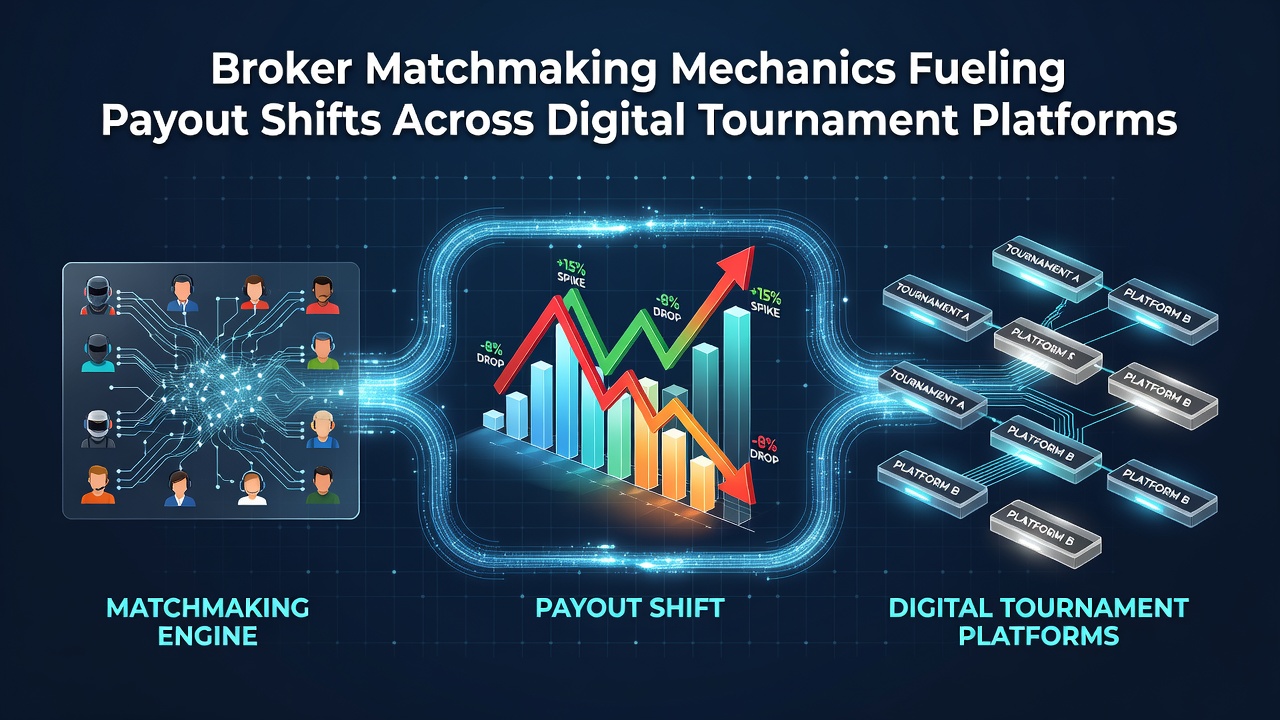
Broker matchmaking algorithms now form the core infrastructure behind many digital tournament platforms, where automated systems pair participants based on order types, risk profiles, and available liquidity pools. These systems process thousands of requests per second, matching opposing positions that directly influence final payout distributions across competitive events. Data from platform operators shows that refined matching protocols have led to measurable shifts in how rewards allocate among users, particularly in high-volume tournament formats that run throughout 2026.
Core Components of Algorithmic Matching
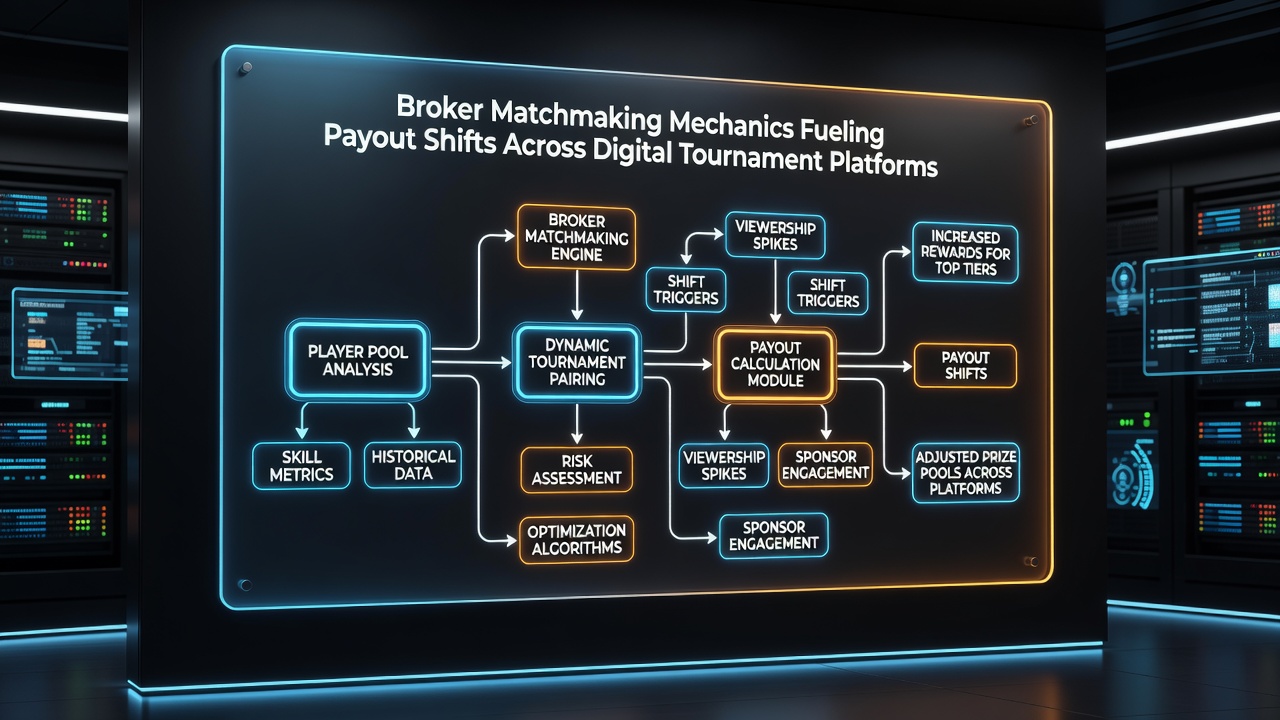
Modern matchmaking relies on several layered processes that evaluate incoming orders against existing market depth. Priority queues sort requests by price, volume, and timestamp while risk filters scan for exposure limits set by platform rules. When a match occurs, the system executes the transaction and updates account balances instantaneously, which then feeds into broader payout calculations for tournament standings. Observers note that platforms incorporating multi-factor matching have recorded steadier liquidity across sessions, reducing instances where unmatched orders delay reward finalization.
Additional layers include dynamic pricing adjustments that respond to aggregate order flow and participant activity patterns. These adjustments recalibrate spreads in real time, affecting the net amounts that transfer between accounts once events conclude. Researchers at several academic institutions tracking digital wagering markets have documented how such recalibrations correlate with changes in average participant returns over multi-week tournament cycles.
Payout Shift Patterns Observed in 2026
Throughout July 2026, tournament platforms reported altered payout distributions linked to updated matchmaking parameters. One analysis of aggregated platform data indicated that events using enhanced pairing logic distributed rewards across a wider range of finishing positions rather than concentrating payouts at the top tiers. This pattern emerged because improved matching reduced order slippage, allowing more participants to secure positions closer to their requested terms before event resolution.
Regional Regulatory Context
Authorities in multiple jurisdictions have begun reviewing how these algorithmic systems intersect with payout transparency requirements. The National Council on Problem Gambling published findings in mid-2026 that highlighted the need for clearer disclosure of matching criteria to users. Meanwhile, regulators in Australia referenced similar concerns in reports examining digital competition platforms, emphasizing the importance of verifiable audit trails for all executed matches.
Platforms have responded by publishing summary statistics on match success rates and average execution times, though detailed algorithmic parameters remain proprietary in most cases. These disclosures have helped clarify why certain payout structures appear more frequently in specific tournament categories.
Liquidity Management and Reward Allocation
Effective liquidity management through matchmaking directly shapes how rewards flow after tournament completion. When algorithms maintain balanced order books, fewer positions go unmatched, which stabilizes the final settlement values assigned to participants. Figures released by several platform operators in 2026 revealed that tournaments with higher match completion percentages showed narrower variance in individual payouts compared to earlier periods.
Industry groups such as the International Gaming Association have compiled comparative data across regions, noting that platforms in North America and parts of Asia adopted similar algorithmic refinements around the same timeframe. The resulting payout distributions reflected greater consistency, particularly in events spanning multiple days or rounds where cumulative matching decisions compound over time.
Technical Factors Driving Recent Changes
Updates to matching engines in early 2026 introduced machine learning components that predict order flow based on historical tournament data. These components allow systems to pre-position liquidity in anticipated high-demand segments, which reduces delays during peak activity windows. Platform logs indicate that such predictive elements contributed to the observed payout shifts by enabling more orders to clear at favorable terms before final results locked in reward tiers.
Hardware improvements and optimized code paths further supported these changes, cutting average match latency by measurable margins. Those who monitor platform performance metrics report that the combined effect has produced more predictable settlement processes across different tournament types, from single-elimination brackets to round-robin formats.
Conclusion
Broker matchmaking mechanics continue to evolve as central elements in digital tournament operations, with documented effects on how payouts distribute among participants. The integration of advanced algorithms, improved liquidity handling, and regulatory scrutiny has produced measurable adjustments in reward structures throughout 2026. Ongoing developments in these systems suggest that payout patterns will remain tied to the underlying matching processes for the foreseeable future.