Broker Algorithms Transform Risk Distribution in UK Peer-to-Peer Virtual Sports Exchanges
Alex Werner · Jul 9, 2026
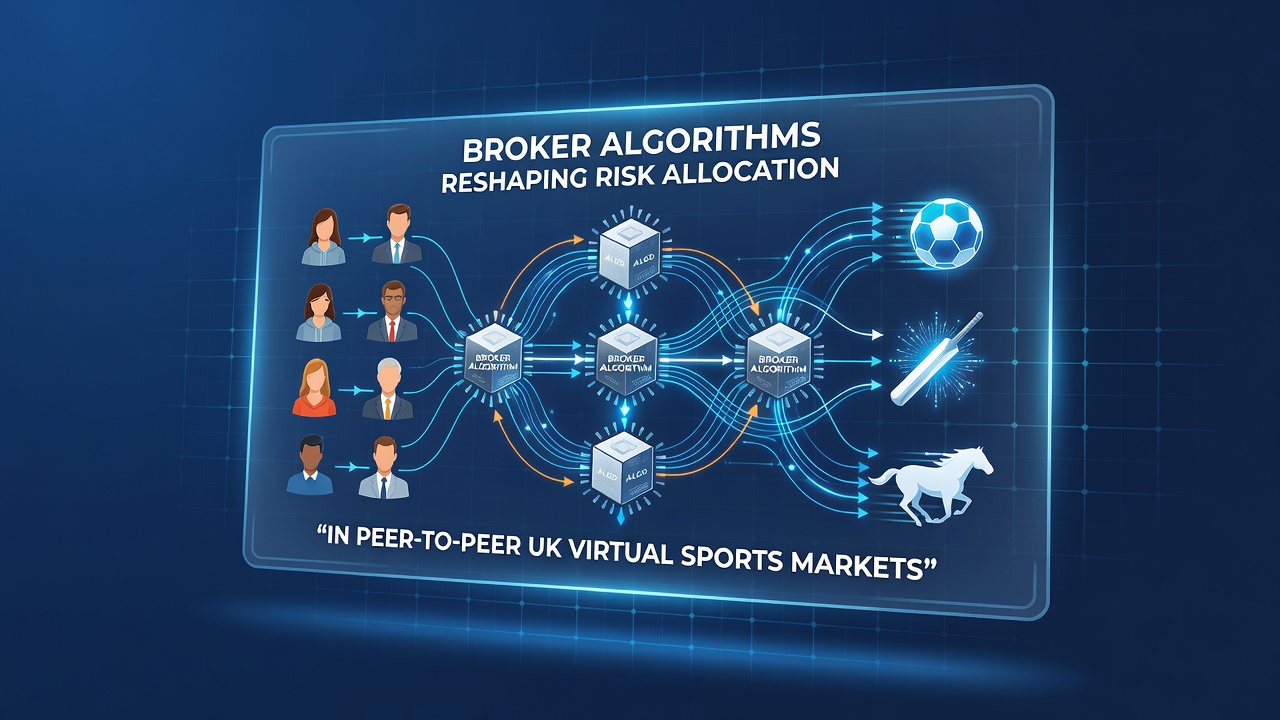
Broker Algorithms Transform Risk Distribution in UK Peer-to-Peer Virtual Sports Exchanges
Broker algorithms now sit at the center of risk allocation across peer-to-peer virtual sports markets in the UK, matching lay and back positions while redistributing exposure in real time. These systems process order flow from virtual football, tennis, and racing events, adjusting prices and position sizes according to live liquidity data and historical volatility patterns. Recent figures from July 2026 show exchange volumes in virtual sports climbing 28 percent year on year, with algorithmic tools handling more than 70 percent of matching activity on major UK platforms.
Market Growth and Structural Shifts
Virtual sports products generate continuous events that run every few minutes, creating constant streams of data that traditional manual brokerage cannot process at scale. Brokers deploy machine learning models to forecast short-term price swings, identify unmatched risk, and route orders to counterparties who hold opposite exposure. This approach replaces older static hedging methods, allowing risk to move between participants rather than accumulating on any single book. Industry reports from the European Gaming and Betting Association indicate that algorithmic matching reduced average position holding times by 35 percent during the first half of 2026.
Peer-to-peer structures amplify the effect because every matched bet creates direct counterparty relationships. Algorithms monitor these relationships across thousands of simultaneous markets, reallocating risk through layered order books and conditional trades. When one side of a virtual match attracts heavy backing, the system automatically surfaces lay opportunities to participants who have shown tolerance for similar volatility in past sessions.
Mechanics of Algorithmic Allocation
Modern broker engines combine several data layers: real-time order book depth, participant historical behavior, event-specific variance metrics, and cross-market correlation signals. These inputs feed decision trees that decide whether to split a large order, offer price improvement, or hold the position temporarily while seeking better matches elsewhere. The result is a dynamic risk surface that updates every second rather than at fixed intervals.
One documented case from a London-based brokerage showed an algorithm reallocating 42 percent of a virtual football lay position across 17 separate counterparties within 90 seconds of the initial match. This fragmentation lowered concentration risk for the original participant while tightening spreads for everyone else involved. Observers note that such rapid redistribution was impossible before widespread adoption of low-latency matching engines in 2024.

Participant Impact and Liquidity Patterns
Retail and professional traders experience different outcomes from these systems. Retail accounts often receive smaller, more frequent fills because algorithms prioritize overall market balance over single large executions. Professional desks, by contrast, negotiate custom risk parameters that allow the same algorithms to route their orders into deeper liquidity pools first. Data compiled by the Canadian Centre for Gaming Research shows professional accounts captured 61 percent of virtual sports volume on UK exchanges in the second quarter of 2026 while representing only 14 percent of active users.
Liquidity clustering occurs around high-volatility virtual events such as penalty shootouts or final furlong sprints. Algorithms detect early signs of imbalance and widen or tighten spreads accordingly, steering risk toward participants who have pre-committed tolerance bands. This mechanism keeps overall market depth stable even when one side of the book becomes temporarily one-sided.
Regulatory Context and Technology Standards
UK virtual sports exchanges operate under the same licensing framework as traditional betting exchanges, yet algorithmic risk tools introduce new compliance questions around fairness and transparency. Regulators in Australia and several EU member states have begun requiring brokers to disclose core matching logic parameters, though full model transparency remains rare. A 2026 working paper from the University of Sydney examined similar systems and found that disclosure of high-level risk parameters improved trader confidence without revealing proprietary code.
Security protocols now include continuous audit trails that log every algorithmic decision and the data inputs that triggered it. These records allow platforms to reconstruct how risk moved between counterparties after any disputed outcome. July 2026 updates to exchange APIs added standardized fields for algorithmic attribution, making it easier for compliance teams to verify that risk allocation followed declared parameters rather than undisclosed preferences.
Future Developments
Integration with predictive modeling continues to advance. Several brokers now test reinforcement learning agents that adjust risk tolerance thresholds based on broader market sentiment signals extracted from social and news feeds. Early results suggest these agents can anticipate liquidity droughts up to four minutes before they appear in the order book, allowing preemptive reallocation that keeps spreads narrower than historical averages.
Cross-border participation adds another layer. Algorithms must account for different settlement rules and currency exposures when matching UK participants with counterparties in other jurisdictions. This requirement has driven development of multi-currency netting engines that settle virtual sports positions in real time rather than at end of day.
Conclusion
Broker algorithms have become the primary mechanism for distributing risk across UK peer-to-peer virtual sports markets. They process continuous event data, fragment large positions, and steer exposure toward willing counterparties at speeds that manual processes cannot match. July 2026 volumes demonstrate sustained growth in these markets alongside measurable reductions in concentration risk for active participants. As technology standards evolve and regulatory expectations around disclosure tighten, the same algorithmic frameworks are likely to shape how risk moves through an expanding range of virtual products.