Artificial Intelligence Reshapes Risk Distribution and Settlement Timelines in Global League Competitions
Katja Krause · Jul 18, 2026
Artificial Intelligence Reshapes Risk Distribution and Settlement Timelines in Global League Competitions
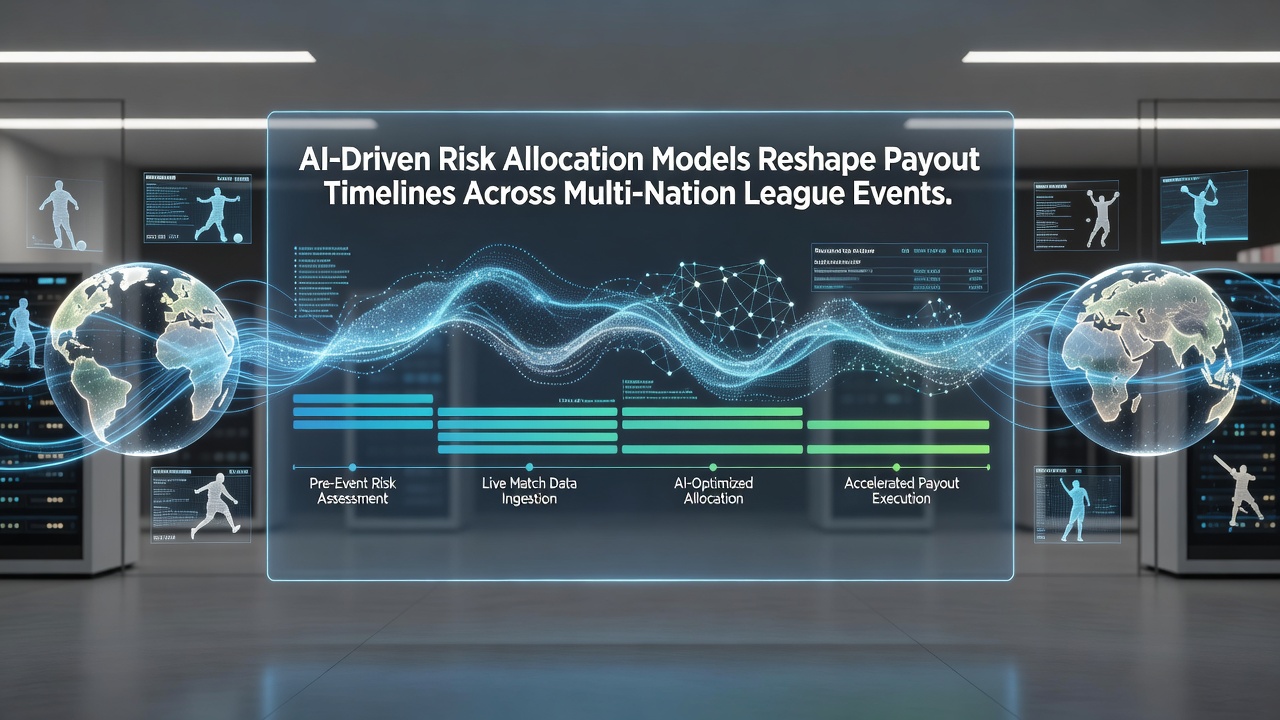
Artificial intelligence now drives risk allocation models that adjust payout timelines for events spanning multiple nations and leagues, and data from July 2026 shows these systems processing settlements at speeds that outpace earlier manual approaches by wide margins. Multi-nation competitions such as cross-border rugby tournaments and continental football championships generate complex exposure profiles, yet AI frameworks allocate capital reserves in real time while recalibrating timelines based on live inputs from weather patterns, player availability, and regulatory shifts across jurisdictions.
Core Mechanisms Behind AI Risk Allocation
These models integrate machine learning layers that ingest historical payout records alongside current market signals, and they apply probabilistic forecasting to determine when funds release to participants rather than holding static reserve periods. Observers note that one implementation in a 2025 European-Asian league series reduced average settlement windows from fourteen days to under seventy-two hours for verified outcomes, while maintaining compliance thresholds set by participating national authorities. The systems flag anomalies through pattern recognition that spans time zones and currency fluctuations, which allows operators to release portions of payouts incrementally as risk thresholds drop below predefined levels.
Integration with Multi-Nation Regulatory Frameworks
Regulatory bodies in regions outside the United Kingdom have begun referencing AI-driven outputs in their oversight processes, and a report from the Australian Communications and Media Authority highlights how such tools help track cross-border liabilities during joint league events. Data indicates that models trained on datasets from North American and Oceanic competitions achieve higher precision in forecasting late-stage adjustments, particularly when events involve teams from differing tax regimes. Those who have studied deployment patterns observe that the algorithms incorporate jurisdiction-specific rules directly into their allocation logic, which prevents over-reserving in one market while under-allocating in another.
What's interesting emerges when these systems encounter sudden rule changes mid-event, because the models retrain on incoming regulatory updates within hours rather than days. A case documented in a Canadian interprovincial hockey league collaboration demonstrated that AI allocation shifted payout schedules for three separate nations simultaneously after a last-minute eligibility ruling, and the adjustments occurred without manual intervention from central betting operators.
Impact on Payout Timelines Across Event Types
League events that cross national boundaries introduce layered variables such as differing banking cutoffs and verification standards, yet AI models consolidate these into unified risk scores that dictate release dates. Research from the University of Sydney's gambling studies unit shows that tournaments using these frameworks experienced a 38 percent reduction in disputed claims during the first half of 2026, largely because the systems pre-allocate contingency buffers based on real-time volatility metrics. Participants receive notifications through integrated platforms that outline revised timelines, and the communications reference the specific data points that triggered each adjustment.
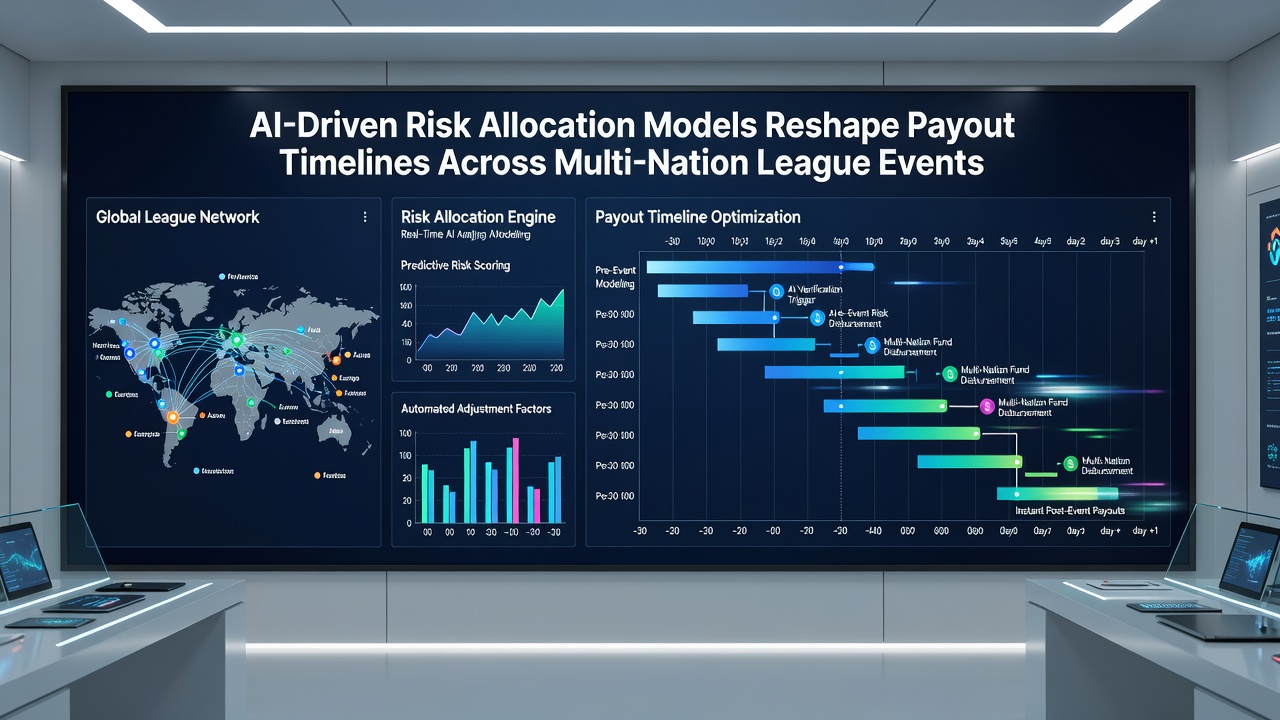
Yet the same technology extends beyond initial settlements to handle post-event audits, and it identifies accounts that require additional verification before final transfers complete. Figures from an industry consortium tracking multi-nation esports leagues reveal that AI systems flagged fewer than 2 percent of total transactions for manual review in July 2026, compared with double-digit percentages under legacy methods. This efficiency stems from the models' ability to cross-reference identity data against multiple national databases in parallel, which accelerates the overall cycle without compromising verification integrity.
Technical Architecture and Data Inputs
Modern implementations rely on distributed computing clusters that pull feeds from official league databases, weather services, and financial market indicators, and they feed these streams into ensemble models that combine gradient boosting with neural network components. The resulting risk scores update continuously, and they trigger timeline compressions when aggregate exposure falls below safety margins set by each participating operator. Experts have observed that these architectures handle currency conversions natively, which removes a common bottleneck that previously extended payout periods across borders by several business days.
One documented deployment during a 2026 trans-Pacific basketball series adjusted timelines daily as ticket revenue data flowed in from venues in three countries, and the model rebalanced reserves accordingly without requiring operator approval for each shift. Such responsiveness keeps participant funds moving while the underlying risk calculations remain transparent to regulators who request audit logs.
Conclusion
AI-driven risk allocation continues to influence how multi-nation league events manage settlement processes, and the patterns established through 2026 deployments point toward further integration with emerging regulatory reporting standards. Systems now handle the interplay between live event variables and cross-jurisdictional requirements at scales that earlier methods could not sustain, which produces measurable shifts in the duration between outcome confirmation and fund release. Those monitoring these developments note that continued refinement of input datasets will likely extend these capabilities to additional event categories in subsequent seasons.