Algorithms and Expertise: The Evolving Partnership Driving Wager Matching Platforms
Eden Simmons · Jul 2, 2026
Algorithms and Expertise: The Evolving Partnership Driving Wager Matching Platforms
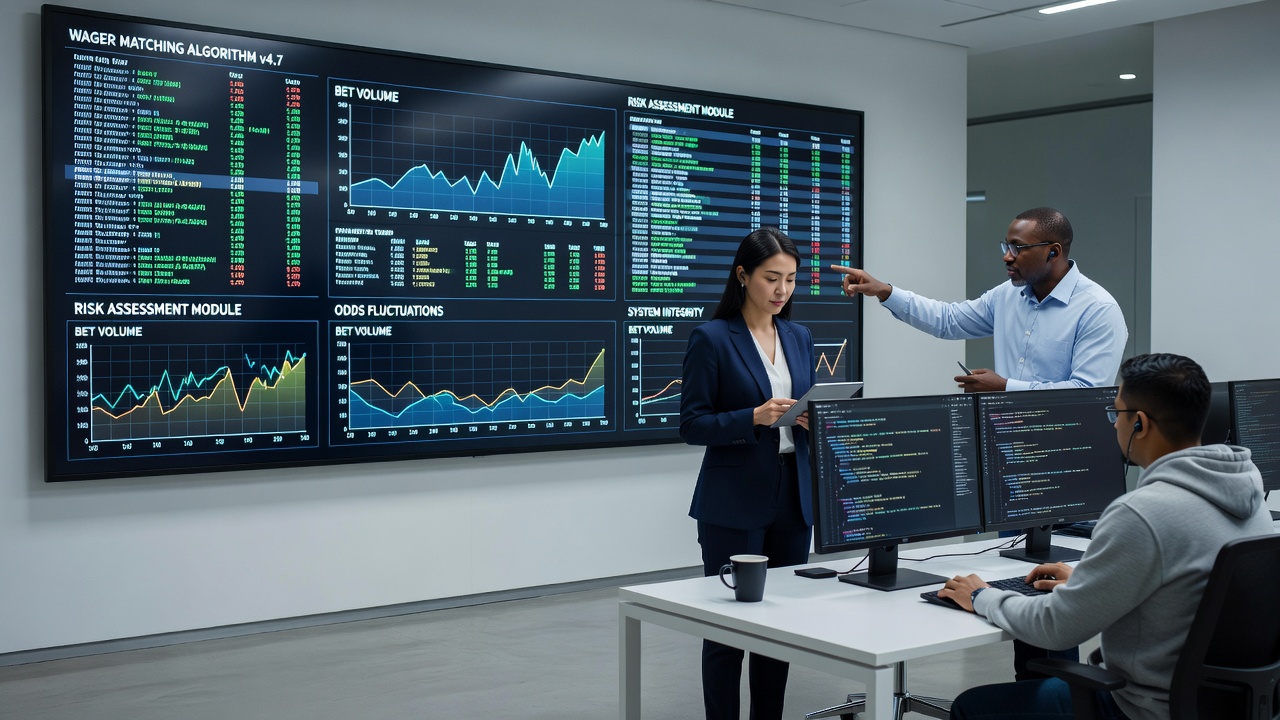
Research indicates that wager matching services rely on sophisticated algorithms to pair opposing bets in real time while human operators step in to manage exceptions and compliance checks. Data from industry reports shows these platforms process millions of transactions daily, with automated systems handling the bulk of liquidity matching across sports, esports and tournament events. Observers note that technology accelerates execution speeds yet leaves room for manual intervention during unusual market conditions or regulatory reviews.Core Technology Driving Matchmaking Efficiency
Automated engines use machine learning models to analyze order books, predict liquidity gaps and execute back-lay pairings within milliseconds. Those who have examined exchange architectures find that these systems draw on historical data patterns to adjust odds dynamically, especially during high-volume periods such as major rugby tournaments or tennis grand slams. Studies from academic institutions reveal that algorithmic matching reduces latency by up to 85 percent compared with earlier manual methods, allowing brokers to facilitate larger volumes without proportional staff increases.
But here's the thing: raw computational power alone cannot address every scenario. Complex bets involving multiple contingencies or sudden regulatory flags often require human review to prevent errors or violations. Experts have observed that platforms integrate rule-based filters which flag suspicious activity for immediate operator attention, creating a layered approach where technology proposes matches and oversight refines them.
Human Oversight in Compliance and Risk Control
Regulators across regions emphasize that human judgment remains essential for interpreting nuanced cases that algorithms might misclassify. Figures from the Australian Communications and Media Authority highlight how operators conduct periodic audits of automated decisions to ensure alignment with responsible gambling standards. People working in brokerage roles report that oversight teams review escalated cases involving unusual stake patterns or cross-border transactions, applying contextual knowledge that current models lack.
Take one brokerage firm that noticed recurring discrepancies during peak esports events; staff adjusted matching parameters manually while engineers updated the underlying code, demonstrating the iterative loop between human insight and system refinement. Research indicates this hybrid model helps maintain market integrity without sacrificing the speed that bettors expect.
Integration Challenges and 2026 Developments
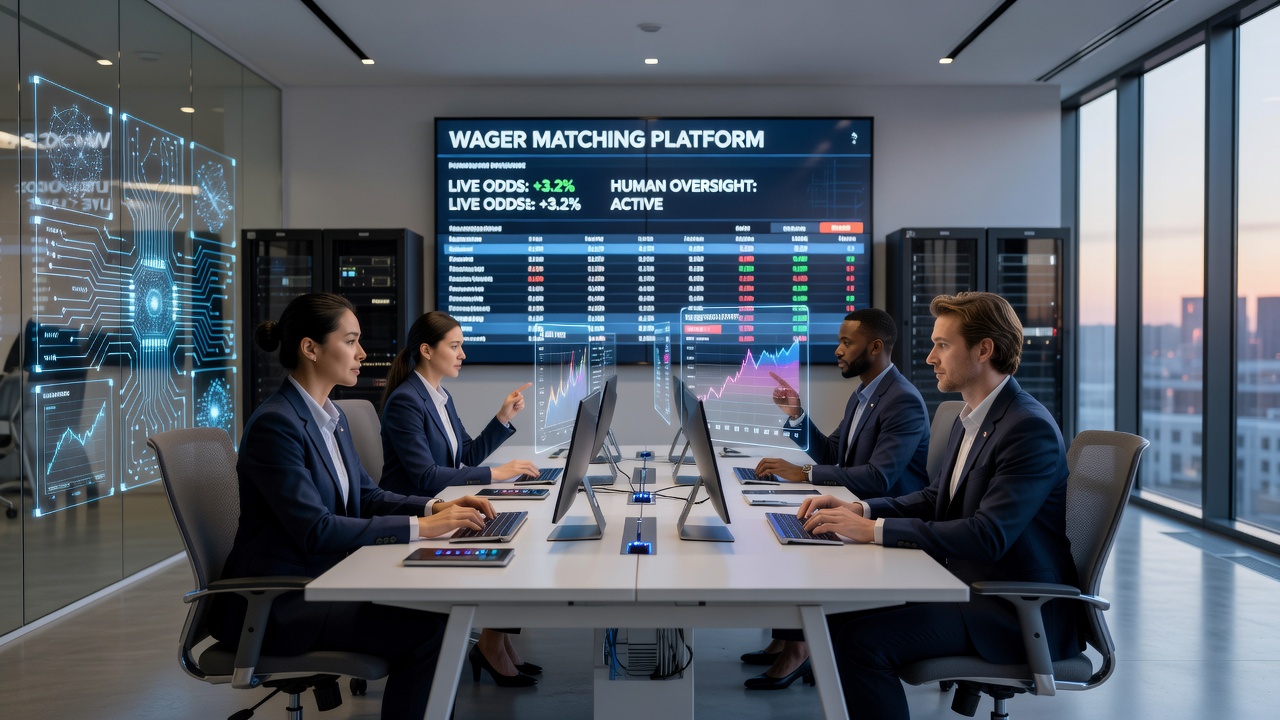
Scaling human oversight alongside growing transaction volumes presents ongoing logistical questions. Platforms must balance staffing costs with the need for rapid response, leading many to adopt tiered escalation protocols. Data shows that in July 2026 several European exchanges plan to deploy enhanced monitoring dashboards that combine real-time alerts with predictive risk scores, allowing smaller teams to cover broader activity ranges.
What's interesting is how training programs now emphasize collaboration between analysts and algorithmic outputs. Those who've studied workforce trends note that operators receive instruction on interpreting model confidence levels, enabling quicker decisions when technology surfaces borderline matches. Industry organizations report that such preparation reduces average review times while preserving accuracy in fraud detection.
Case Examples from Global Markets
One North American operator implemented an AI-assisted matching layer in early 2025 and paired it with dedicated compliance desks; subsequent audits found a 22 percent drop in disputed transactions according to internal metrics shared with research partners. Meanwhile, Australian firms have explored similar integrations, linking automated systems to government-mandated reporting tools that require human verification before submission. These examples illustrate how geography influences the precise mix of technology and oversight yet the underlying interplay stays consistent.
Future Outlook for Hybrid Systems
Evidence suggests continued refinement of oversight interfaces will incorporate more granular data visualizations, helping operators identify emerging patterns faster. Academic papers from Canadian universities explore how reinforcement learning might further narrow the gap between automated suggestions and final human approval, potentially shortening review cycles even more. Regulators in multiple jurisdictions continue to monitor these developments, issuing guidance that encourages transparency in how platforms allocate responsibilities between algorithms and staff.
Conclusion
The interplay between technology and human oversight in modern wager matching services rests on complementary strengths: speed and scale from automation, judgment and adaptability from people. As platforms evolve through 2026 and beyond, this partnership shapes operational resilience and regulatory compliance across diverse markets. Observers continue to track how incremental improvements in both domains sustain efficient, secure betting environments worldwide.