Algorithmic Matching Transforms Risk Allocation Across European Sports Platforms
Katja Krause · Jun 18, 2026
Algorithmic Matching Transforms Risk Allocation Across European Sports Platforms
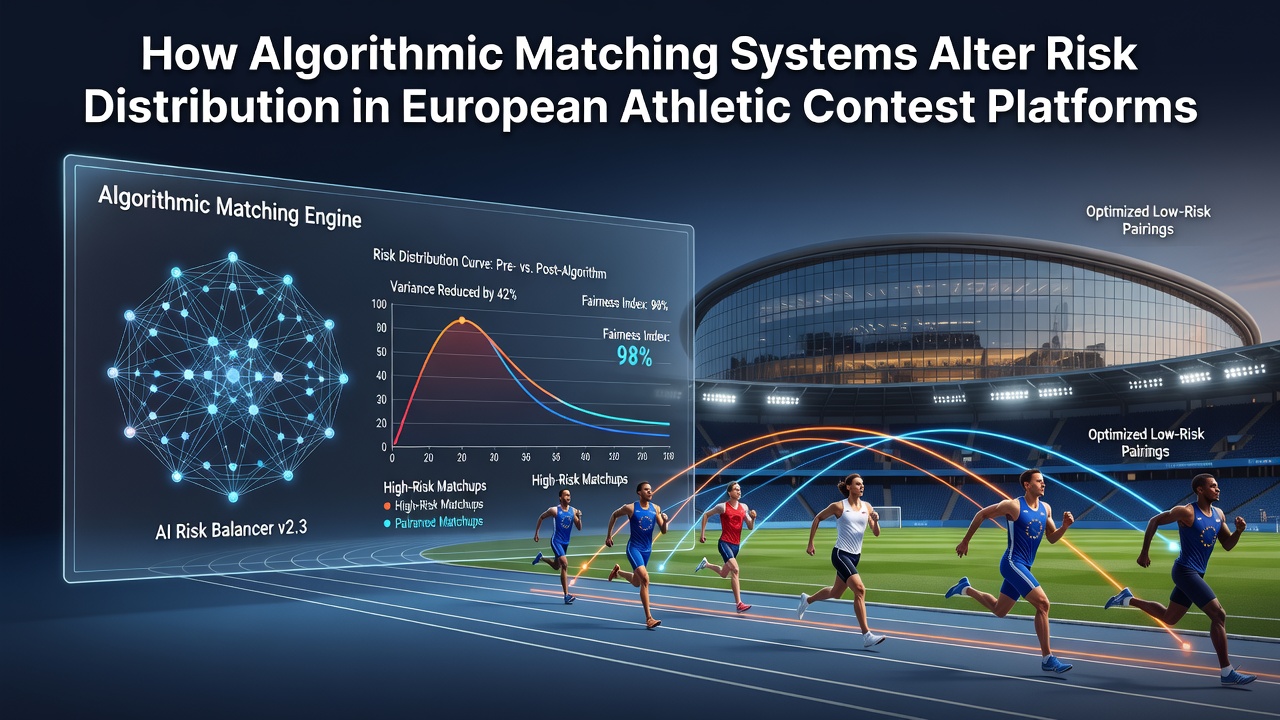
European athletic contest platforms have integrated algorithmic matching systems that pair opposing wagers in real time, and these tools shift how financial exposure moves between operators, participants, and liquidity providers. Data from industry monitors shows that automated pairing reduces the need for traditional bookmakers to hold large open positions because algorithms identify counterparties instantly rather than relying on house capital to absorb imbalances.
Core Mechanics of Algorithmic Pairing
Systems scan incoming orders for price, stake, and event parameters then execute matches according to predefined rules that prioritize speed and fairness, while secondary algorithms adjust for liquidity depth across multiple events. Observers note that this process allows platforms to maintain continuous markets even when one side of a contest attracts heavier volume, because unmatched orders queue automatically and receive priority once opposing interest appears. Research from academic centers indicates that such matching lowers settlement delays, and participants receive confirmations within milliseconds rather than waiting for manual intervention.
Risk Movement Patterns Observed in Practice
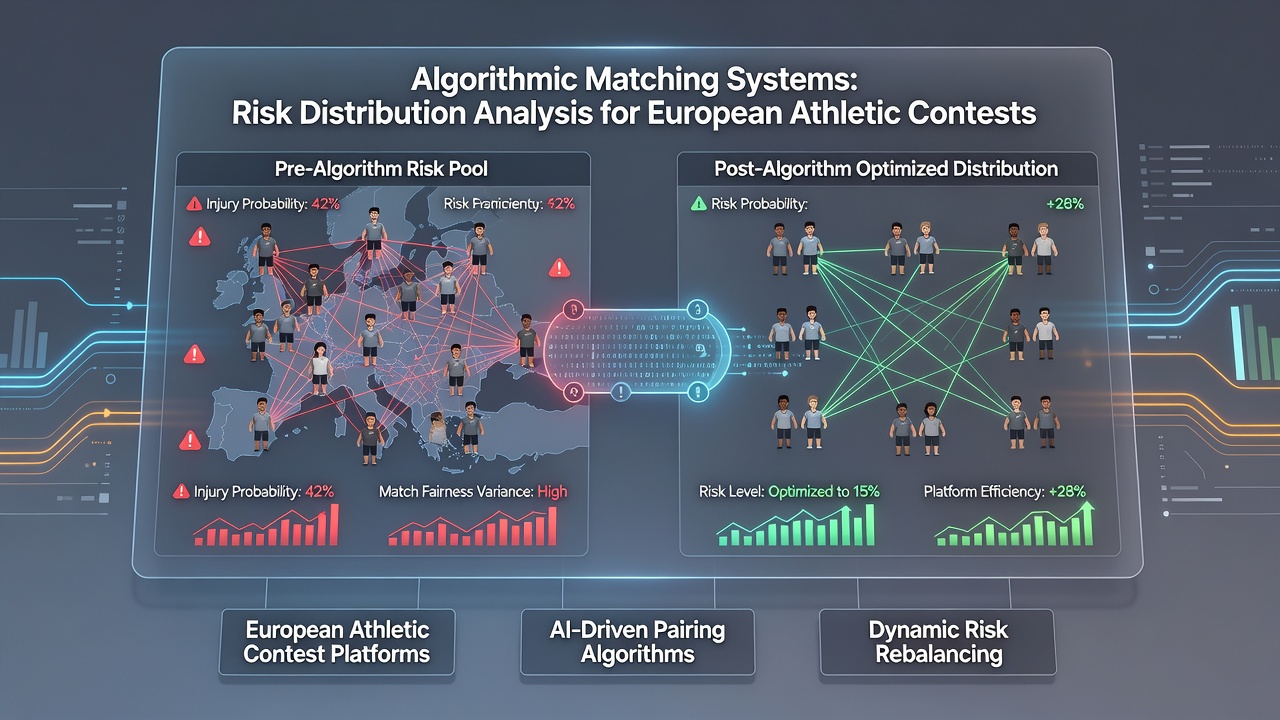
Traditional models placed most downside on the operator because fixed odds created inventory risk whenever public sentiment skewed heavily in one direction. Algorithmic platforms transfer portions of that exposure directly to users who place opposing bets, and the operator instead earns fees on completed volume. Figures from continental regulatory filings reveal that operators in several EU member states reported lower variance in daily profit and loss after adopting automated matching, since unmatched risk no longer sits on balance sheets overnight. Those who've studied platform data note that large bettors sometimes absorb more of the variance when their orders remain unmatched for extended periods, yet the overall market absorbs shocks more evenly across thousands of smaller positions.
Regulatory Context Across Member States
European authorities have examined these changes through updated guidelines issued in early 2026, and agencies in Germany and the Netherlands require platforms to disclose how algorithms handle unmatched orders during high-volume periods. A report prepared for the European Commission highlights that transparent matching rules help participants understand when their stakes remain exposed versus when they achieve full offset. Platforms must now log every match attempt and retain records for audit, which creates clearer trails for supervisors tracking whether risk concentrates among certain user segments. Data compiled through June 2026 shows increased reporting of liquidity events tied to major football and tennis fixtures, with matching rates exceeding 85 percent on headline markets according to aggregated operator statistics.
Industry associations have published guidance urging operators to stress-test algorithms against sudden order surges, and simulations indicate that robust systems reroute unmatched volume to secondary liquidity pools without manual overrides. One study released by researchers at a Dutch university examined transaction logs from multiple platforms and found that algorithmic redistribution narrowed the gap between theoretical and realized risk for mid-sized events while concentrating residual exposure in niche contests with thinner participation.
Effects on Participant Behavior and Platform Metrics
Users adjust staking patterns once they recognize that algorithms favor rapid offsets, and many split larger wagers into smaller increments to improve matching probability. Platform operators report that average bet size declined slightly while total volume rose, because participants place additional orders knowing unmatched portions carry less operator-side cushion. Metrics released by trade groups indicate that fee revenue per matched euro remained stable, yet operational costs tied to risk management dropped as fewer capital reserves were required to cover open positions.
Academic papers examining order-book dynamics note that algorithmic systems create feedback loops where visible depth influences subsequent order flow, and this dynamic redistributes risk across time rather than concentrating it at event start. When algorithms detect rapid price movement they sometimes widen spreads temporarily to slow matching until equilibrium returns, and such adjustments appear in records from major tournaments held during spring 2026. Those reviewing the data observe that smaller participants benefit from the leveling effect because their orders receive equal treatment once price criteria align, whereas larger orders may wait longer during illiquid intervals.
Technical Infrastructure and Data Requirements
Platforms maintain redundant servers that run parallel matching engines, and failover protocols ensure continuity if primary systems encounter latency spikes. European data-protection rules require encryption of all order information, and platforms must demonstrate that algorithms do not favor specific accounts through back-testing reports submitted to oversight bodies. Industry reports compiled in mid-2026 document average matching latency under 50 milliseconds across leading continental platforms, with variance tied mainly to cross-border liquidity differences rather than algorithmic design flaws.
Conclusion
Algorithmic matching continues to reshape how risk travels through European athletic contest platforms by moving exposure away from centralized operators and toward distributed participant positions. Regulatory filings and academic analyses through June 2026 document measurable declines in operator variance alongside shifts in participant order sizing. Continued monitoring by agencies in multiple member states will track whether these patterns persist as markets evolve and new contest types enter the ecosystem.