Algorithmic Matching Systems Drive Shifts in Live Odds Across Wagering Platforms
Otto Friedrich · Aug 22, 2026

Algorithmic Matching Systems Drive Shifts in Live Odds Across Wagering Platforms
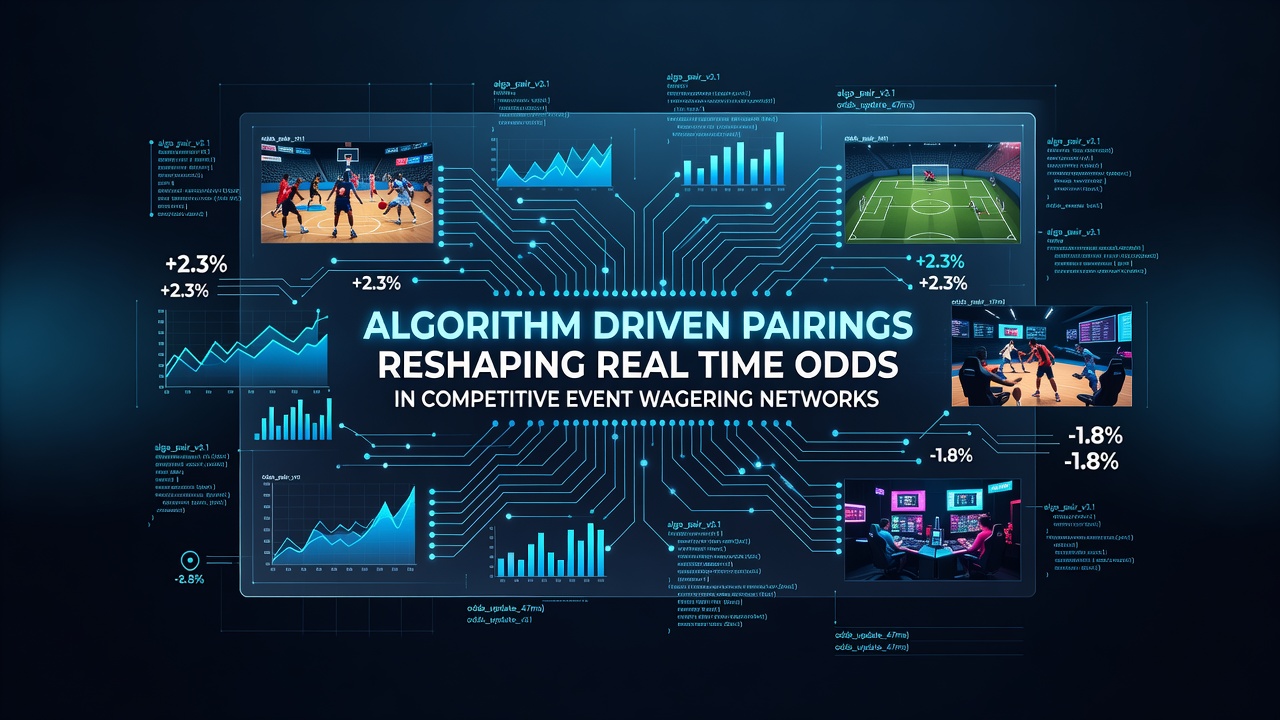
Algorithmic matching systems now handle the bulk of bet pairings in competitive event wagering networks, where software pairs opposing positions and recalibrates odds within milliseconds of new data inputs. These systems operate by scanning incoming back and lay orders, then executing matches that reflect updated probability estimates derived from statistical models and live event feeds. Observers note that this process replaces slower manual adjustments common in earlier decades, allowing odds to fluctuate continuously as algorithms incorporate variables such as player performance metrics, weather conditions, and historical trends.
Mechanics Behind Real-Time Pairing Adjustments
At the core of these platforms sit matching engines that treat bets as paired contracts rather than fixed house positions. When a bettor places a wager at one set of odds, the algorithm searches for a counter-position and locks the trade while simultaneously recalculating implied probabilities for remaining unmatched orders. Researchers at institutions studying computational finance have documented how these engines apply machine learning layers to predict short-term liquidity imbalances, which in turn trigger micro-adjustments to displayed odds. Data from industry reports indicate that such pairings occur thousands of times per minute during peak event windows, particularly in high-volume competitions like tennis majors and basketball playoffs.
August 2026 brought expanded testing of multi-factor models that blend traditional statistics with real-time sensor data from venues, according to updates shared by several North American operators. These models weigh inputs from player tracking systems alongside crowd-sourced sentiment indicators scraped from public forums, then feed the combined signals into pairing logic. The result appears in odds that shift in smaller increments yet respond faster to sudden changes, such as an injury timeout or a referee decision.
Effects on Competitive Event Markets
Competitive events ranging from esports tournaments to rugby internationals now see odds movements that align more closely with matched volumes than with bookmaker margins alone. When algorithms detect heavy one-sided interest, they tighten spreads on the opposing side to encourage balance, a process tracked in studies released by the American Gaming Association. This dynamic reduces the frequency of static odds that once persisted for minutes at a time, replacing them with continuous recalibrations that reflect actual order flow.
Take one platform handling mixed martial arts bouts where an algorithm paired a surge of lay bets against an underdog within the first round. The system responded by nudging the favorite's odds fractionally while widening the gap on the underdog, all without human intervention. Similar patterns emerged during cricket test matches in 2026, where rapid wicket falls prompted matching engines to rebalance entire markets within seconds. Those who've examined transaction logs report that such adjustments maintain tighter correlations between odds and real-world probabilities compared with pre-algorithm eras.
Regulatory and Technical Context in 2026
Regulators in multiple jurisdictions have begun requiring operators to disclose core parameters of their matching algorithms, including latency thresholds and data sources used for probability updates. The Nevada Gaming Control Board issued guidance in mid-2026 that outlines audit standards for algorithmic fairness, emphasizing transparency around how pairings influence displayed odds. Parallel developments in Australian oversight bodies have focused on ensuring these systems do not inadvertently amplify volatility during low-liquidity periods.
Technical teams at major platforms continue refining the underlying code to handle edge cases, such as simultaneous events across different sports. Integration with external data feeds from organizations like Opta and Sportradar supplies the raw inputs that algorithms process before executing matches. Evidence from platform performance metrics shows reduced instances of stale odds during these overlapping windows, though occasional latency spikes still occur when data volumes exceed engineered limits.
Broader Market Implications
Market participants observe that algorithmic pairings have altered the distribution of liquidity across event types. High-profile competitions attract denser order books because the systems can match smaller ticket sizes efficiently, whereas niche events experience slower pairing rates that leave odds less responsive. Academic papers published through the University of Sydney's gambling research unit highlight how these differences affect overall market efficiency, with paired volumes serving as a leading indicator of odds stability.
Yet the same systems introduce new dependencies on data integrity. When a sensor feed experiences brief outages, algorithms fall back on secondary models that may produce wider spreads until primary inputs resume. Platform operators report that such fallback mechanisms have improved since early implementations, yet they remain a focal point for ongoing technical reviews.
Conclusion
Algorithmic pairing mechanisms continue to embed themselves deeper into the infrastructure of competitive event wagering networks, reshaping how odds respond to incoming orders and external signals. Data collected through 2026 demonstrates measurable changes in adjustment speed and market balance, driven by the capacity of these systems to process pairings at scale. As regulatory frameworks evolve and technical refinements accumulate, the core process of matching opposing positions while recalibrating probabilities in real time remains the central operational feature across platforms.